Argentina's narrow 3-2 victory over Egypt in the 2026 World Cup round of 16 has come under scrutiny after a former World Cup referee revealed a critical VAR error. Fernando Guerrero, a Mexican official with extensive FIFA experience, publicly detailed how the video assistant referee protocol was misapplied during the match in Atlanta, directly affecting Egypt's chances.
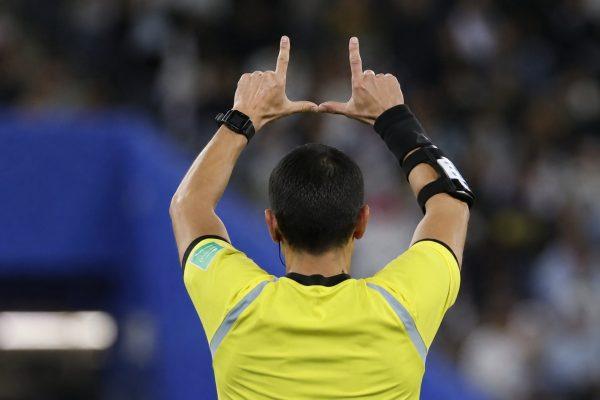
The controversy centers on Mohamed Salah's disallowed goal, which would have given Egypt a 2-0 lead. Guerrero, who worked as a VAR official during the 2022 World Cup in Qatar, explained that the officiating crew led by French referee François Letexier incorrectly evaluated the Attacking Possession Phase (APP). According to Guerrero, there was no foul on Argentine defender Lisandro Martínez, and even if a foul had occurred, it should not have been reviewed as part of the APP.
What Went Wrong with the VAR Protocol
Guerrero stated that the Argentine defense had ample time and positioning to reset after the challenge, meaning the sequence leading to Salah's goal should have stood. FIFA's guidelines dictate that VAR should only intervene when a clear, uninterrupted attacking sequence follows a possession turnover, leaving the fouled team no realistic chance to reorganize. In this case, the Argentine backline had three distinct opportunities to clear the ball before Salah struck.
“There was no foul on the Argentine player, and even if they considered it a foul, it should not have been reviewed as part of the APP,” Guerrero wrote on his official channel. The reversal of the on-field decision compromised the fundamental principle of VAR, which is to correct clear and obvious errors during immediate transitions.
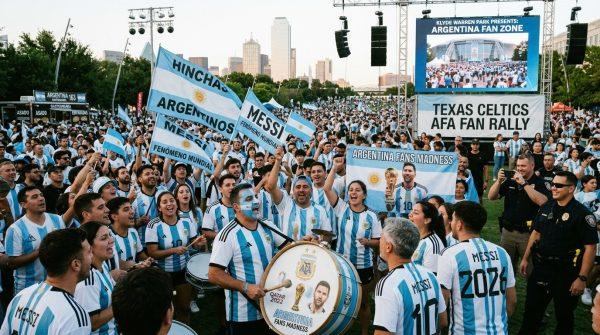
Argentina's victory, while celebrated by fans, now carries a shadow of controversy. The team's path in the tournament has been closely watched, especially with Scaloni's decision to back the French refereeing crew before the match. The error also highlights the ongoing challenges of implementing technology in football, a topic that resonates across Latin America, where the sport is a cultural cornerstone.
Guerrero's analysis carries weight due to his elite background. He was a core part of the officiating team in Qatar, managing video replay dynamics in 11 matches, including Japan vs. Spain, Belgium vs. Morocco, and Denmark vs. Tunisia. He also served as an assistant video official during the historic final between Argentina and France. His familiarity with the rulebook elevates this from mere commentary to a serious assessment of the tournament's integrity.
For Egypt, the disallowed goal was a devastating blow. The team had fought hard to build a lead against the defending champions, and the error may have altered the tactical complexity of the knockout fixture. Argentina, meanwhile, advances but faces questions about the fairness of their win. The incident also ties into broader discussions about the cultural and institutional roots of Argentina's football dominance, where success is often scrutinized under a global lens.
As the 2026 World Cup continues, this VAR mistake serves as a reminder that technology, while intended to improve accuracy, can still fail when protocols are misunderstood. For Latino fans, who follow the tournament with passion across the Americas and the diaspora, the incident underscores the need for consistent officiating standards. Argentina's next match will be watched closely, not just for the football, but for how the team handles the weight of this controversy.