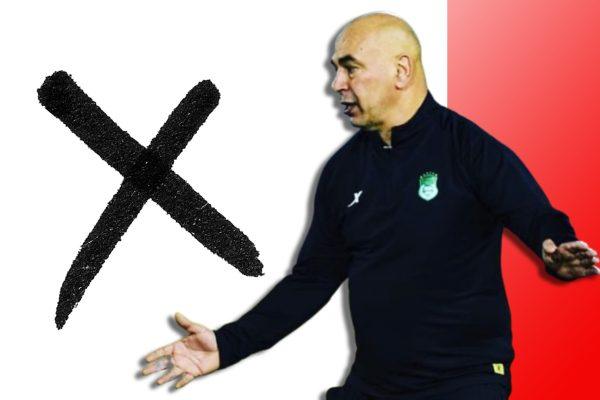
In a moment that blurred the lines between competitive tension and ethical accountability, Egypt manager Hossam Hassan made headlines during the 2026 World Cup round of 16 clash against Argentina. With the scoreline still raw from Enzo Fernández's late winner, Hassan stood near the touchline, crossed his arms over his wrists, and formed a clear 'X' — the official signal under FIFA's anti-discrimination protocol. The gesture, meant to alert match officials to alleged racist remarks from the Argentine bench, instead triggered a yellow card for the Egyptian coach and a wave of global debate.
What the 'X' Gesture Means Under FIFA Rules
Introduced during FIFA's 74th Congress in Bangkok in 2024, the 'X' arm signal is a non-verbal tool designed to let players or staff report discriminatory behavior in real time. Once activated, the protocol mandates a three-step response: a temporary pause in play, a potential evacuation of both teams to the dressing rooms, and ultimately, match abandonment if the hostile environment persists. It was created to give on-field participants a direct channel to address racism without relying solely on referees or external monitors.
Hassan's use of the signal was one of the highest-profile activations since the rule's implementation. Yet the match referee, French official François Letexier, determined that the conditions on the pitch did not warrant triggering the protocol. Instead, he issued a yellow card to Hassan for unsporting behavior, a decision that split opinion among analysts and fans alike.
The Allegations and the Aftermath
According to statements from Egypt's technical staff after the match, the gesture was a direct response to verbal racist insults allegedly directed from the Argentine side during the celebration of Fernández's goal. No public broadcast or audio recording has yet confirmed the exact nature of the exchange, leaving the incident shrouded in ambiguity. What is clear is that Hassan's decision to escalate the matter through FIFA's formal channel — rather than through a sideline confrontation — was an attempt to hold the defending champions accountable under the sport's own ethical framework.
The incident also highlighted the tension between competitive pressure and institutional safeguards. Critics argue that Letexier's caution may have discouraged future use of the protocol, while others defend the referee's restraint as necessary to prevent the signal from being weaponized as a tactical disruption. For a tournament already defined by high stakes and emotional volatility, the episode raises uncomfortable questions about how seriously football's governing bodies take their own anti-racism measures.
This is not the first time Argentina has been at the center of such controversies. The team's passionate celebrations have occasionally drawn scrutiny, and the presence of Lionel Messi — whose every move is magnified — adds another layer of complexity. For many Latino fans, the incident resonates beyond the pitch, touching on deeper issues of identity, respect, and the persistent presence of discrimination in football culture across the Americas.
As the World Cup continues, the debate over Hassan's gesture and Letexier's response will likely linger. It serves as a reminder that while protocols can be written, their enforcement depends on the courage of officials and the integrity of the system. For now, Egypt's elimination and Argentina's advancement are overshadowed by a moment that asked football to look inward — and found itself unsure of what to do.