For many transgender Americans, the search for community often begins with the most ordinary of things: a welcoming barbershop, a circle of friends, or a spot where you can just be yourself without a lengthy explanation. These everyday spaces have become lifelines, especially as political and social climates grow more uncertain.
In Chicago, Brave Space Alliance is meeting that need head-on. Founded by Black trans activists, the organization runs a food pantry, hosts support groups, and operates a Dignity Suite stocked with clothing, wigs, binders, and other gender-affirming essentials. It’s practical help, but it’s also a doorway to connection—a place where people can meet others who truly understand the daily hurdles of navigating the world as a trans person.
Across the country, San Francisco’s Transgender District takes a cultural approach. Nestled in the historic Tenderloin neighborhood, the district hosts art shows, workshops, performances, and community gatherings. Its calendar has included everything from skincare sessions to drag shows, alongside programs that help residents with legal name changes and other bureaucratic necessities. It’s a model that blends celebration with survival.
When Safe Spaces Are Harder to Keep Open
The need for these spaces is urgent. A report from October 2026 by the Movement Advancement Project and CenterLink found that 76% of the 175 LGBTQ community centers surveyed had experienced threats or harassment. Many also face financial strain, making it harder to keep their doors open.
But community doesn’t always require a physical address. For those living far from LGBTQ centers, online groups and peer support services like Trans Lifeline offer alternative ways to connect. Family members, coworkers, and longtime friends can be just as crucial. Being trans doesn’t automatically mean someone lacks a supportive family, and there’s no single path to finding that sense of home.
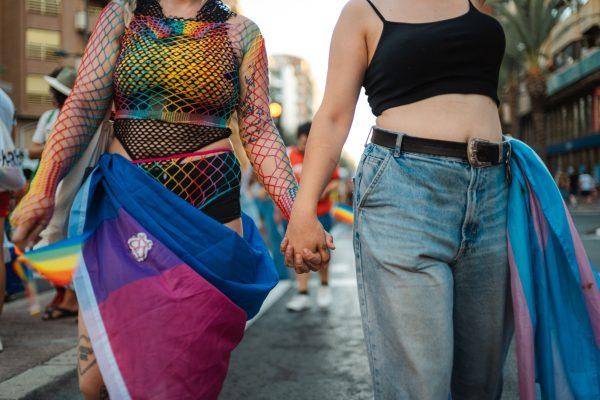
Sometimes it’s a neighborhood organization like the ones in Chicago and San Francisco. Sometimes it’s a group chat that evolves into real friendships. And sometimes it’s a mix of both—like the Palm Springs Pride celebration, which draws thousands each November to a desert oasis known for its inclusive spirit.
For Latino trans Americans, the search for belonging can carry extra layers. Many navigate multiple identities—balancing cultural expectations, language barriers, and immigration concerns. Organizations that center the experiences of Black and brown trans people, like Brave Space Alliance, are particularly vital. They offer not just services, but a sense of cultural resonance that mainstream spaces sometimes miss.
As the landscape shifts, the resilience of these communities shines through. Whether it’s a fight to keep families in their homes or the simple act of showing up for a support group, the message is clear: home is where you’re seen, heard, and accepted.
For those looking to plug in, resources like the Trans Lifeline and local community centers remain beacons. And for allies, the call is to support these spaces—financially, politically, and personally. Because when a trans person finds their community, it’s not just about safety; it’s about thriving.