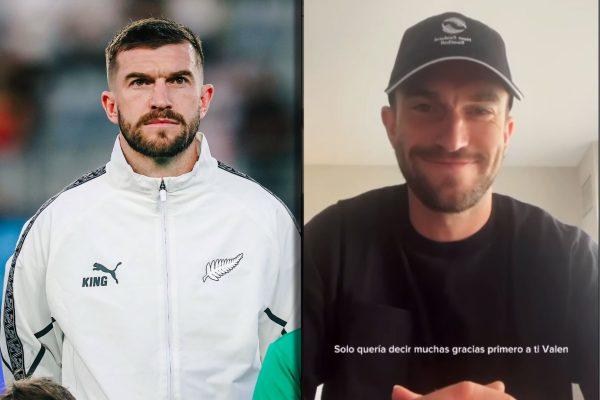
Just days before the World Cup kicks off, New Zealand defender Tim Payne has become an unexpected internet sensation. The 32-year-old center-back, who plays for Wellington Phoenix in his home country, saw his Instagram following explode from under 5,000 to over 3 million in a matter of hours. But what makes this story resonate with Latino audiences is the personal connection that lies beneath the viral trend.
How an Argentine Challenge Sparked a Digital Frenzy
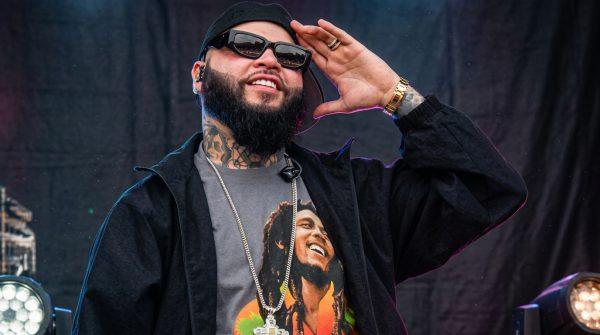
The phenomenon began when a popular Argentine content creator challenged his followers to pick the least-known player in the tournament and turn him into a global icon. Payne’s profile was chosen, and the response was immediate. Fans flooded his social media with memes, songs, and messages of support. In a video posted in both English and Spanish, Payne thanked his new followers, acknowledging the surreal turn his life had taken.
This kind of digital transformation is not entirely new—similar challenges have boosted other athletes in the past. But the speed and scale of Payne’s rise caught even seasoned observers off guard. As one fan noted, “It’s like the internet decided to adopt him overnight.”
The Costa Rican Connection That Won Hearts
What gave this story deeper meaning for the Latino community was the revelation about Payne’s family. His wife, Michelle Peters, was born in New Zealand but her mother is from Costa Rica. Peters speaks fluent Spanish and has been actively engaging with her husband’s new fanbase, posting lighthearted videos explaining that she will personally guide Payne through the nuances of Latino humor.
“I’m going to teach him all the jokes,” she said in one clip, laughing. “He’s going to learn what ‘pura vida’ really means.”
Thanks to this family bond, thousands of Costa Rican soccer fans have embraced Payne as one of their own. The connection has turned a simple internet challenge into a bridge between cultures, proving how sports and digital trends can bring distant communities together. For many Latinos, seeing a player with ties to the region succeed on a global stage feels personal.
This isn’t the first time a Latino connection has shaped a sports story. Earlier this year, Shakira’s World Cup anthem brought together fans from across the Americas. And the power of social media to amplify these moments continues to grow.
Payne’s story also echoes the way Latin American superstitions often blend with modern trends, creating unique cultural moments. In this case, the “adoption” of a Kiwi defender by Costa Rican fans feels like a digital-age version of that tradition.
As the tournament approaches, Payne’s newfound fame will be tested on the field. But for now, he has something many players lack: a global fanbase that feels personally invested in his journey. And thanks to his wife’s heritage, that fanbase includes a significant chunk of Latin America.
Whether Payne’s performance lives up to the hype remains to be seen. But one thing is certain: his story has already become a testament to the unpredictable, unifying power of the internet—and the enduring appeal of a good family connection.