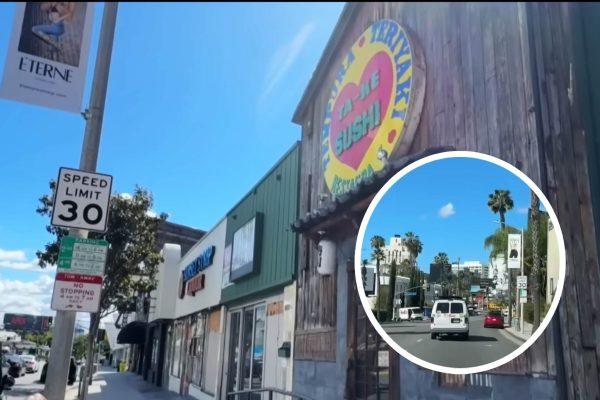
For decades, the Sunset Strip was the beating heart of Los Angeles nightlife—a place where rock legends, Latino musicians, and Hollywood dreamers mingled under neon lights. But today, that iconic stretch of Sunset Boulevard in West Hollywood feels more like a ghost town. Boarded-up windows, endless “For Lease” signs, and a noticeable drop in foot traffic have left locals wondering if the Strip has lost its soul for good.
According to a recent investigation by The California Post, the area once known as “the sexiest mile and a half in America” is now struggling under the weight of soaring commercial rents, shifting entertainment habits, and a post-pandemic tourism slump. The numbers paint a grim picture: retail vacancy rates hit 10.3%, while office spaces sit empty at 16.3%. For Latino entrepreneurs who have long called this corridor home, the dream of running a family business here is becoming impossible.
Rents That Crush the American Dream
Commercial spaces along the Strip now average $74.64 per square foot annually—just behind Rodeo Drive and Melrose Avenue. That’s a steep jump from historical rates, with some owners reporting leases three to four times higher than what they paid a decade ago. For independent shops, especially those run by Latino families who have been in the area for generations, these numbers are unsustainable.
“We used to see a mix of people—tourists, locals, artists, everyone,” says a longtime resident who grew up in nearby Echo Park. “Now it’s just billboards and empty storefronts. The soul is gone.” The loss of cultural landmarks like Chin Chin, Le Petit Four, and even the legendary Viper Room—set to close by summer 2026 to make way for an 11-story luxury complex—marks a painful shift away from the Strip’s gritty, inclusive past.
Changing Habits, Empty Streets
The pandemic accelerated a trend that was already underway: younger audiences prefer staying home, scrolling through social media, rather than paying $20 for a cocktail on the Strip. The rise of streaming and online entertainment has made it harder for live music venues to draw crowds. Even high-profile fitness brands backed by celebrities like Justin Bieber and Sylvester Stallone couldn’t survive the economic climate.
For Latino Angelenos, the Strip was more than a tourist trap—it was a place where Hollywood productions and local culture intersected. Bands like Los Lobos and artists from East LA once played at venues like the Whisky A Go Go, blending rock, soul, and Latin rhythms. Today, those stages are quieter, and the crowds that remain are sparse.
Tourism Drops, but Hope Lingers
West Hollywood saw 300,000 fewer visitors in the first quarter of last year compared to previous periods, with 91% of current tourists staying less than four hours. The area’s reputation as a nightlife destination has taken a hit, but some businesses are fighting back. The Naughty Pig bar, for example, has opened early to catch the FIFA World Cup 2026 crowd, betting that sports tourism can breathe new life into the Strip.
“We’re not giving up,” says a bartender at a local spot. “This place has survived earthquakes, riots, and recessions. It can survive this.” Still, the question remains whether the Strip can reinvent itself as a high-end luxury destination without erasing the very character that made it famous.
For now, the Sunset Strip stands at a crossroads. The economic pressures facing Latino families across Los Angeles are mirrored here, in the boarded-up windows and empty sidewalks. Whether the Strip can reclaim its soul—or whether it will become just another luxury corridor—depends on the choices made in the coming years.