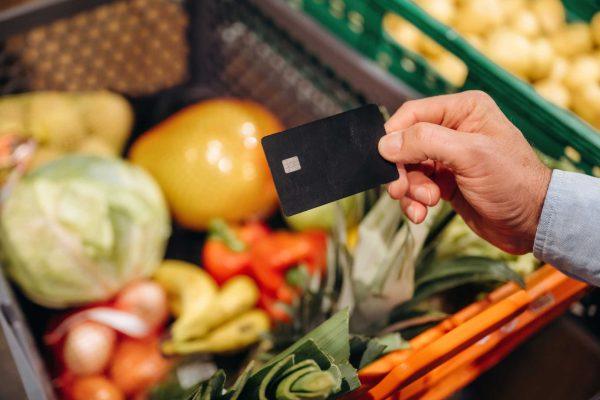
For millions of families across the United States, the weekly trip to the grocery store has become a source of financial anxiety. A growing number of people are turning to credit cards to cover basic food needs, only to find themselves trapped in a cycle of debt that's increasingly hard to escape. A recent study by the Urban Institute paints a stark picture: more than a quarter of working-age adults who use credit cards for groceries cannot pay their full balance at the end of the month. For Latino households, where food security and economic stability are already pressing concerns, this trend is especially alarming.
Inflation and the Erosion of Purchasing Power
Over the last five years, the cumulative inflation in food prices has reached 32%, according to federal data. That means a family that spent $200 a week on groceries in 2019 now needs nearly $265 to buy the same items. Wages, however, have not kept pace. Many households have already depleted their emergency savings, leaving them with few options when the pantry runs low. The result is a reliance on credit—and the high interest rates that come with it.
“People are caught between the immediate need to feed their families and the crushing burden of accumulated interest,” says María Elena González, a financial counselor based in Los Angeles who works primarily with Latino clients. “Once you start using a credit card for essentials like food, it's very hard to stop. The debt snowballs.”
This dynamic is particularly acute in cities with high costs of living. In places like New York, where housing costs eat up a large share of income, families are forced to make tough choices. A recent report on the Upper East Side shelter plan highlighted how class divides in Manhattan are deepening, and the grocery debt crisis is another symptom of that inequality.
Vulnerable Communities Hit Hardest
The Urban Institute study also reveals a stark disparity by income level. Among lower-income households, the credit card default rate is up to three times higher than among higher-income brackets. For Latino families, who are disproportionately represented in low-wage jobs and often lack access to traditional banking, the consequences are severe. Many turn to buy now, pay later loans for basic expenses, which can lead to delinquency and further financial instability.
At the same time, enrollment in the Supplemental Nutrition Assistance Program (SNAP) has declined in several states, even as need remains high. This leaves more families without a safety net. Experts warn that the situation could worsen in the coming months, as projections for the wheat harvest suggest potential price increases for staples like bread, tortillas, and cereals—foods central to many Latino kitchens.
“It's not just about money,” says González. “It's about dignity. No one should have to go into debt to put food on the table.”
The housing market adds another layer of pressure. In Texas, for instance, cities like Pecos and Raymondville are seeing price drops in 2026, as noted in a recent analysis of the Texas housing correction. But for many Latino families, the dream of homeownership remains out of reach, and the cost of rent continues to climb. That leaves less money for groceries, pushing more people toward credit card dependency.
A Cycle That Demands Policy Solutions
Financial experts and community advocates argue that the grocery debt trap is not just a personal finance issue—it's a systemic one. They call for stronger consumer protections, expanded access to affordable credit, and a renewed focus on food assistance programs. Without these measures, the spiral of debt will continue to tighten around the most vulnerable households.
For now, the message from counselors like González is clear: if you're using a credit card to buy food, you're not alone, but you need a plan. “Talk to a nonprofit credit counselor, look into SNAP if you qualify, and try to pay more than the minimum,” she advises. “Every little bit helps, but we need bigger changes.”
As the cost of living continues to rise, the grocery store has become a battleground for family budgets. For Latino communities across the United States, the fight is far from over.