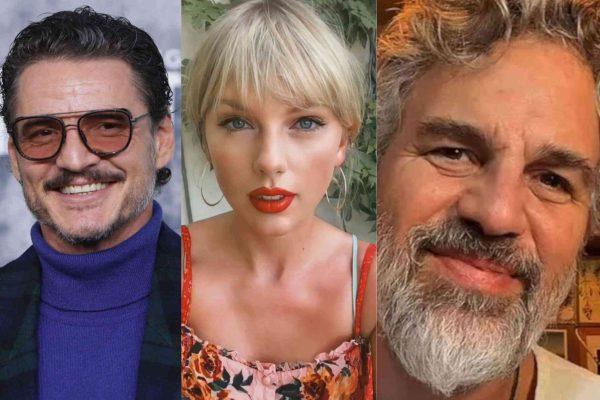
The midterm elections delivered a clear message, and the entertainment world responded with a collective sigh of relief. Taylor Swift, along with a constellation of music and film icons, took to social media to celebrate the Democratic victories that dealt a significant blow to Donald Trump's political influence. It was a night of high emotion, with stars like Henry Winkler tweeting, "Dreams do come true," and Bette Midler thanking voters for "saving the nation's democratic destiny."
A cultural reckoning
This wasn't just a political victory; it was a cultural statement. The Chicks turned their Los Angeles concert into a celebration, with fans holding up signs with pointed messages against the former president. Pedro Pascal, the Chilean-American actor, expressed his joy over Democratic wins in traditionally conservative strongholds like Texas. The energy was palpable, a testament to how deeply the entertainment industry has engaged with the political landscape.
The roots of this resistance run deep. During the 2024 presidential campaign, Taylor Swift formally endorsed the Democratic ticket, arguing that the country needed "a true defender of individual liberties." Beyoncé lent her anthem "Freedom" to the cause and performed at massive Houston rallies championing women's rights. Bruce Springsteen was even more blunt, calling Trump "the most dangerous candidate in modern national history." Eminem joined the chorus at civic events in Detroit, and all of them played active roles in this midterm setback.
But the cultural clash extends beyond the ballot box. Young pop stars like Olivia Rodrigo and Sabrina Carpenter publicly condemned the unauthorized use of their music in immigration enforcement propaganda. Ariana Grande demanded her songs be pulled from official video clips promoting deportations. These artists are not just entertainers; they are voices for a generation that sees immigration policy as a human rights issue.
Hollywood's veterans are equally vocal. Mark Ruffalo and Robert De Niro have worn commemorative pins on red carpets and warned in public forums about the risks of the Republican rhetoric. Their activism underscores a broader trend: the entertainment industry is increasingly unapologetic about its political stance.
For Latino audiences, this moment resonates on multiple levels. The midterms saw Latino voters reshape the political map, with Texas flipping and Florida holding the GOP line. The intersection of pop culture and politics is not new, but it feels more urgent than ever. As artists like Karol G and Ariana Grande find their hits used in unexpected ways—even in CPR training—the line between entertainment and civic life continues to blur.
The celebrations may be loud, but the underlying issues remain. The midterm results are a clear rebuke to Trump's brand of politics, but the cultural divide is far from healed. For now, though, the stars are basking in a moment of vindication, and their fans are right there with them.