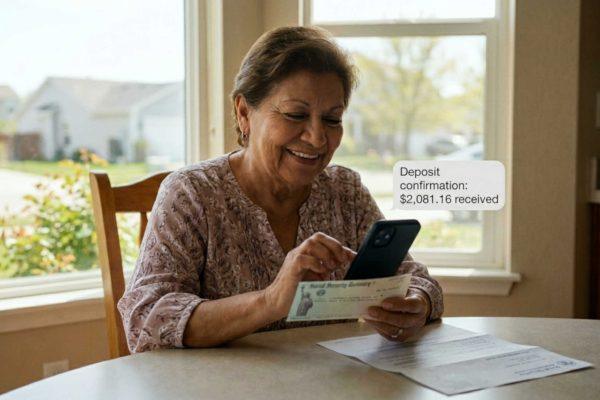
Millions of Americans who rely on Social Security will see their first May payments arrive this Wednesday, May 13. The Social Security Administration kicks off its monthly distribution for beneficiaries born between the 1st and the 10th of any month. This year, the calendar shifted slightly because May 1 fell on a Friday, making this one of the longer waits of 2026.
For Latino households across the U.S., understanding this schedule is key to managing monthly budgets. Many families depend on these payments to cover rent, utilities, and groceries. The delay means that those in the first group have waited nearly two weeks since the last payment cycle ended in April.
Payment Schedule and Average Amounts
The remaining beneficiaries will receive their checks on the following Wednesdays: those born between the 11th and the 20th get paid on May 20, and those born from the 21st to the 31st receive their funds on May 27. If you receive benefits based on someone else's work record—like a spouse or parent—the agency uses that worker's birth date to determine your payment date.
Average amounts vary by category. Retired workers receive about $2,081 per month, while survivor benefits hover near $1,625. Disability payments average $1,634. These figures are crucial for planning, especially as inflation continues to stretch household budgets in cities like Los Angeles, Houston, and New York, where many Latino families live.
For those who enrolled before May 1997 or receive Supplemental Security Income (SSI), the schedule is different. They typically get paid on the 3rd of each month, but since May 3 fell on a Sunday, the agency moved their payment to Friday, May 1. That means these beneficiaries already received their checks earlier this month.
How to Ensure Your Payment Arrives Safely
The Social Security Administration recommends using direct deposit to avoid delays or lost checks. You can set this up through the “my Social Security” online portal or by using the Direct Express debit card. For younger Latinos helping their parents or grandparents navigate these systems, mastering these digital tools is a practical way to ensure financial support arrives without hiccups.
This is especially relevant for families who may be juggling multiple responsibilities, like caring for elderly relatives while managing their own careers. If you're in that position, consider setting up automatic alerts through the my Social Security app to track payment dates.
For more on how Latino communities are navigating financial systems, check out our story on New York sending automatic $5,000 checks to eligible residents. And if you're helping a family member with digital accounts, our guide on how to leave a digital heir offers practical steps.
As always, stay informed about changes to Social Security policies that could affect your family. The system remains a lifeline for millions, and knowing the calendar is the first step to financial stability.