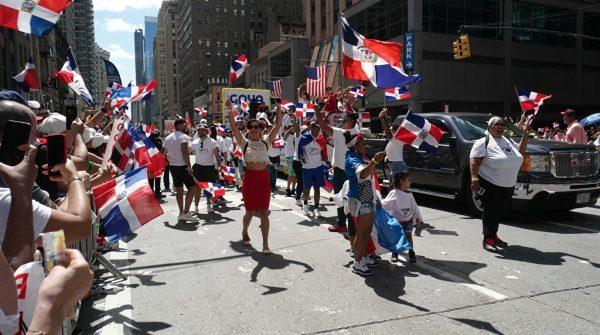
Across the United States, Mother's Day is a beloved tradition—but it's not an official holiday. That is, except in Arizona. Since 2018, the Grand Canyon State has been the only corner of the country where the second Sunday in May is recognized by law as a state holiday, meaning government offices, public schools, and banks shut their doors. For Arizona's large Latino population, this isn't just a symbolic gesture; it's a concrete acknowledgment of the mother's place at the heart of the family.
How Arizona Made Mother's Day Official
The push to formalize the holiday came from local lawmakers who saw an opportunity to honor the family structures that are especially central to Latino culture. In cities like Phoenix and Tucson, where Hispanic communities make up a significant share of the population, the mother figure is often the emotional and logistical anchor of the household. By making Mother's Day an official state holiday, Arizona gave families a day free from the usual grind—no school runs, no government errands, no bank visits. The law also had an economic angle: it encourages local tourism, food festivals, and family outings that boost small businesses over the holiday weekend.
While the date always falls on a Sunday, the official status means that public agencies—including courts, libraries, and administrative offices—suspend operations. Public schools and financial institutions also close, even if they'd normally have limited Sunday hours. Private companies are free to decide whether to give their employees the day off, but many follow the festive mood to allow for the family gatherings that define the day.
This recognition is a recent chapter in a longer national story. Mother's Day was first officially commemorated in May 1914, when Congress passed a law and President Woodrow Wilson issued a proclamation honoring mothers who had lost children in war. Franklin D. Roosevelt reinforced the sentiment in 1934 with a commemorative stamp. Arizona's move transforms what was once a presidential decree of respect into a tangible labor and administrative right—one that lets families celebrate without the pressures of daily routines.
For bicultural Latinos, this holiday carries extra weight. In many Latin American countries, Mother's Day is a fixed date—often May 10 in México, El Salvador, and Guatemala, or May 15 in Paraguay—and it's a major public celebration. The U.S. date, which shifts to the second Sunday of May, can feel out of sync for families who split time between both worlds. Arizona's official recognition helps bridge that gap, giving Latino families in the state a day that feels as significant as the ones their relatives celebrate back home.
If you're looking for ways to honor your mamá this year, check out our guide on how well you really know your mamá, or explore smart tech gifts that honor her time and style. And if you're curious about why the U.S. date differs from Latin America's fixed celebrations, we've got you covered with a deeper dive into the calendar clash.
Arizona's move may be unique, but it reflects a broader truth: mothers are the backbone of our communities, and giving them a day of official rest is a small but meaningful way to say thank you.