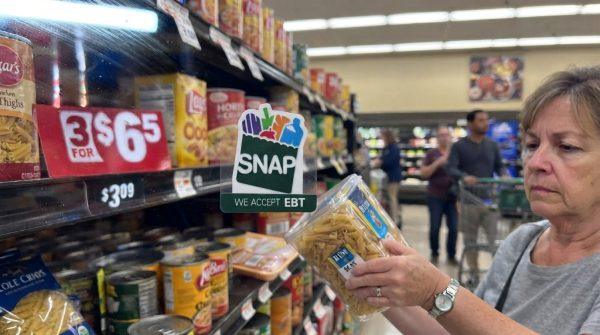
For millions of families across the United States who rely on SNAP benefits, the familiar magnetic stripe on their EBT card is becoming a thing of the past. In response to a surge in skimming fraud that has drained hundreds of millions of dollars from vulnerable households, federal and state agencies are accelerating the rollout of chip-enabled EBT cards. This upgrade, long standard in credit and debit cards, is now reaching the food assistance system, offering a stronger layer of protection against card cloning and unauthorized transactions.
The shift comes after the Government Accountability Office reported that criminal networks stole over $320 million in SNAP funds between October 2022 and December 2024. Skimming devices, often hidden at point-of-sale terminals, capture data from the magnetic stripe, allowing thieves to clone cards and drain benefits before families even realize what happened. For Latino communities, who make up a significant share of SNAP participants in states like California, Texas, and New York, this fraud has hit especially hard, forcing many to go without groceries or wait weeks for replacement benefits.
Which states are leading the chip card rollout?
As of now, seven states have already begun issuing chip-enabled EBT cards to active recipients: Alabama, California, Massachusetts, Maryland, Michigan, New Jersey, and Oklahoma. These states are serving as pioneers, replacing vulnerable magnetic stripe cards with embedded microchip technology that makes it far harder for criminals to clone. The chip works similarly to modern credit cards, generating a unique transaction code each time it's used, so even if data is intercepted, it can't be reused.
Meanwhile, Arkansas, Maine, New Mexico, New York, Oregon, and Virginia have announced active deployment timelines for the coming quarters. For families in these states, the transition may not be immediate, but officials say they are working to ensure a seamless swap without interrupting access to benefits. In New York, for example, the state Office of Temporary and Disability Assistance has been coordinating with local agencies to prioritize replacements for households that have experienced fraud, while also preparing for a broader rollout.
It's important to note that this is not yet a federal mandate. The USDA has encouraged states to adopt chip technology, but each state is moving at its own pace. That means some families may still be using magnetic stripe cards for a while, and they should remain vigilant against skimming. For those who receive a new chip card, it's crucial to activate it immediately and destroy the old one to prevent any potential misuse.
What this means for your benefits
For everyday shoppers, the chip card works just like the old one at checkout—you'll insert it into the terminal instead of swiping. Most retailers have already upgraded their payment systems to accept chip transactions, so you shouldn't experience any disruption. However, if you're used to swiping, you may need a moment to adjust. The chip adds a few seconds to the transaction, but it's a small price for the added security.
Beyond the chip, some states are also exploring additional protections, such as mobile payment options and transaction alerts. These features could give families more control over their benefits and help them spot suspicious activity faster. For now, the chip is the main defense, and it's a significant step forward.
If you're concerned about your benefits or have been a victim of skimming, contact your state's SNAP office immediately. Many states have set up dedicated hotlines and online portals for reporting fraud and requesting replacement benefits. In some cases, you may be eligible for reimbursement for stolen funds, though the process varies by state. It's also wise to regularly check your transaction history and report any unauthorized charges right away.
For Latino families, who often face additional barriers like language access or immigration concerns, it's important to know that SNAP benefits are not tied to immigration status for eligible household members, and reporting fraud will not put you at risk. Community organizations and legal aid groups can help you navigate the process if you need assistance.
As the rollout continues, we'll keep you updated on which states are next and what changes you can expect. In the meantime, if you're in a state that hasn't yet issued chip cards, stay alert and protect your PIN. Cover the keypad when entering it, and check for any unusual devices attached to card readers. These simple steps can go a long way in keeping your benefits safe.
For more on how SNAP rules are changing, see our guide on recent SNAP purchase restrictions. And if you're wondering about other financial assistance programs, you might also be interested in who qualifies for October health insurance rebates.