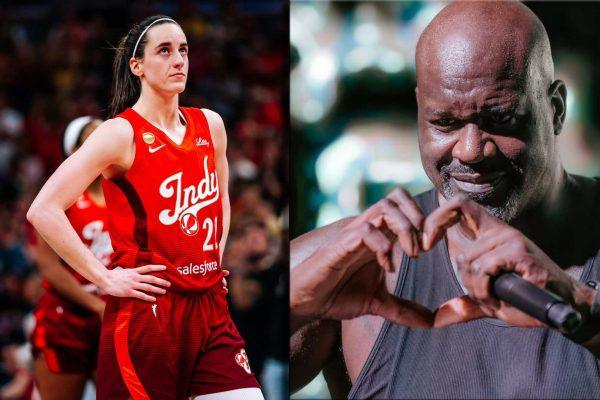
When Caitlin Clark stepped onto a WNBA court, she brought with her a spotlight rarely seen in women's basketball. But that attention has come with a price: a relentless, often punishing defensive approach from opponents. Now, NBA legend Shaquille O'Neal has weighed in, framing the physical toll as a necessary rite of passage for any athlete destined for greatness.
In a recent interview with CNBC Sport, O'Neal drew direct parallels between Clark's current struggles and the early careers of icons like Michael Jordan, Kobe Bryant, LeBron James, Magic Johnson, and even Muhammad Ali. "They all went through it," O'Neal said, referring to the extra physicality and targeted aggression that comes with being the face of a league. "You have to earn your stripes."
Physical play and the path to respect
The debate over player safety reached a boiling point after a series of hard fouls on Clark, including a throat contact incident involving Phoenix Mercury forward Alyssa Thomas that led to a one-game suspension. Clark herself has called for better officiating and more consistent protection from the league. But O'Neal suggests that such challenges are part of the game's evolution, a test of resilience that separates the greats from the merely good.
"When you come in and you're getting all the attention, there's going to be jealousy," O'Neal explained. "Players are going to come at you harder. That's just how it is. You have to be able to take it and keep moving forward."
This perspective resonates beyond basketball. In Latin American sports culture, from the sacrifices behind Messi's rise to the fierce rivalries in baseball, the idea of earning respect through adversity is a familiar narrative. It's a theme that transcends borders and sports.
Record-breaking production amid the chaos
Despite the relentless defensive schemes designed to disrupt her rhythm, Clark has delivered historic numbers. She became the fastest player in WNBA history to reach 1,000 points, 250 rebounds, and 250 assists, achieving the milestone in just 54 games—surpassing Diana Taurasi's previous mark of 62. Her 45-point explosion against the Seattle Storm showcased her ability to rise above the physicality and deliver when it matters most.
O'Neal's comments come at a time when the WNBA is under increased scrutiny regarding player safety. The league has already cleared Clark and others in a separate wagering controversy, but the physical play remains a hot topic. Some analysts, like those at ESPN, believe Clark's offensive prowess could be the key to a championship run, as noted in their analytics-driven predictions.
For O'Neal, the path Clark is walking is not just about survival—it's about transformation. "Once you get through that, you become the leader," he said. "You become the one they look to. That's what Michael did, that's what Kobe did."
As Clark continues to adapt and thrive, the narrative is shifting. The physical challenges that once seemed like obstacles are now being seen as stepping stones to a legacy. In the eyes of one of basketball's most dominant figures, Clark is not just enduring—she's evolving into the player who will define an era.