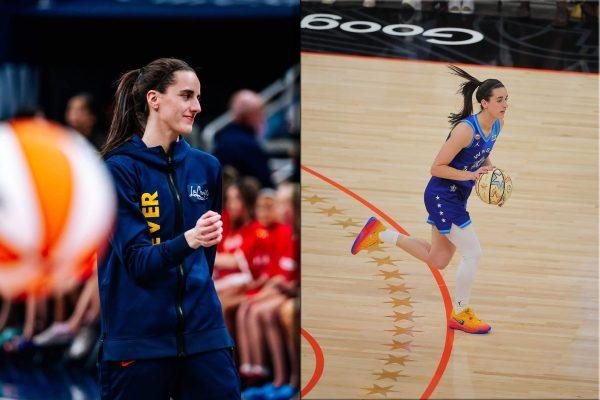
ESPN's analytics arm has stirred up the WNBA conversation by naming the Indiana Fever as the top contender for the 2026 championship, with a 24 percent probability. The projection places the Fever ahead of established dynasties like the Las Vegas Aces and Minnesota Lynx. But what makes this forecast truly provocative is how it challenges a bedrock belief in basketball: that defense wins titles.
The Fever are currently fifth in the overall standings, yet their offensive numbers are off the charts. They average 95.5 points per game, a pace that would break the all-time WNBA record set by the Phoenix Mercury in 2010. That firepower comes from a trio that combines for over 60 points a night: rookie sensation Caitlin Clark, veteran scorer Kelsey Mitchell, and forward Aliyah Boston. ESPN's model essentially bets that this scoring machine can outrun any defensive shortcomings in the postseason.
But the defensive side tells a different story. Indiana gives up 89.6 points per game, the fifth-worst mark in the league. They've already allowed 100 or more points in nine games this season, and one more such outing would set a new single-season record. Issues with fouls, transition coverage, and points off turnovers have plagued the team all year.
The tension between these two realities is the heart of the debate. Playoff basketball typically slows down, demands tighter half-court execution, and punishes defensive lapses. The Fever's path to a title would require them to win shootout after shootout, a risky strategy even with the league's most explosive offense.
For Latino fans following the WNBA, this story resonates beyond the numbers. Caitlin Clark's rise has drawn comparisons to the kind of transcendent talent that crosses borders, much like her personal journey has captured attention. The Fever's gamble on offense-first basketball also mirrors a broader trend in Latin American sports culture, where flair and attack often get celebrated over defensive grind. Think of the Brazilian seleção or the fast-paced style of Puerto Rican basketball.
Still, the analytics community is divided. Some argue that the model overweights regular-season scoring and underestimates how defenses tighten in the playoffs. Others point out that the Fever have shown incremental improvement on defense, and if that trend continues, they could become a more balanced threat. The team's ability to adjust will be tested in the coming weeks.
For now, the Fever remain a fascinating case study in modern basketball: can a historically great offense carry a flawed defense to the ultimate prize? The answer will shape not just this season, but how teams are built in the WNBA for years to come.