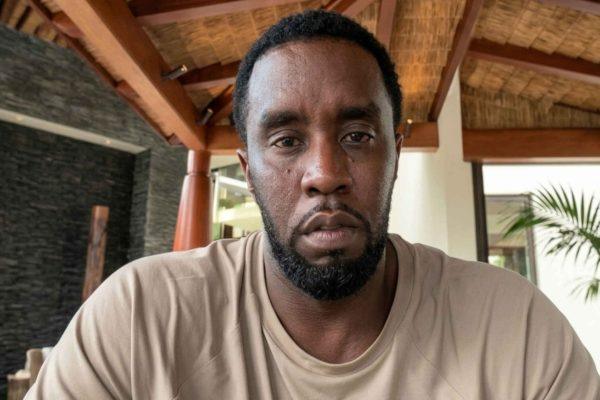
Sean Combs, the music mogul known as Diddy, was rushed to a hospital early Saturday after a violent altercation inside the Federal Correctional Institution in Fort Dix, New Jersey. The fight, which took place late Friday, left the 56-year-old with head injuries, though officials confirmed he remained conscious and was later returned to his cell.
The confrontation reportedly involved Christopher Coke, the Jamaican drug lord known as “Dudus,” who is serving a 23-year sentence for drug trafficking and weapons charges. According to multiple reports, Coke was angered by an NBC News investigation that detailed the alleged luxuries Combs enjoyed behind bars—privileges that included access to alcohol, private massages, and special meals prepared by other inmates.
The fallout from that report was immediate. Correctional officers conducted surprise shakedowns across the facility, confiscating contraband cell phones belonging to Coke and other prisoners. The tension boiled over into physical violence, with Coke allegedly attacking Combs in a housing unit. Both men were subsequently placed in solitary confinement, and Coke lost good-conduct time as part of the disciplinary action.
A clash of worlds inside FCI Fort Dix
For many observers, the incident underscores the volatile dynamics inside federal prisons, where high-profile inmates often become targets. Combs, who has been held at Fort Dix since his arrest on federal prostitution charges, had reportedly been living in a special housing unit with other notable figures, including crypto entrepreneur Sam Bankman-Fried and former Honduran President Juan Orlando Hernández. That arrangement, while intended to protect vulnerable inmates, also fueled resentment among the general population.
“When you have someone with that kind of profile, there’s always a risk,” said a former federal corrections officer who spoke on condition of anonymity. “Privileges, real or perceived, can create a powder keg.”
The attack on Combs is not an isolated incident. Prisons across the country have struggled with violence, especially in facilities housing high-profile or gang-affiliated inmates. The situation at Fort Dix, which is a low-security camp, has drawn scrutiny from advocacy groups who question whether the Bureau of Prisons can adequately protect its most famous residents.
Combs’ legal team has not commented on the specifics of the fight, but they have emphasized that his health is the immediate priority. The rapper, who has maintained his innocence on the charges against him, faces a projected release date that has been pushed back to March 2028 due to the loss of 41 days of good-conduct credit as part of his punishment.
The incident also raises broader questions about the treatment of inmates and the transparency of prison operations. While some argue that Combs’ alleged privileges were a violation of prison rules, others point out that the system itself creates conditions for such conflicts. “You can’t have one set of rules for the rich and famous and another for everyone else,” said a prison reform advocate. “That’s a recipe for disaster.”
For the Latino community, this story resonates on multiple levels. It touches on issues of justice, inequality, and the treatment of incarcerated individuals—themes that have long been central to conversations about the Latino experience in the U.S. and the broader fight for fair representation. It also highlights the complex dynamics of power and privilege, even behind bars.
As Combs recovers, the fallout from this incident is likely to continue. The Bureau of Prisons has announced an internal review, and questions remain about how such a high-profile inmate was allowed to have the alleged luxuries in the first place. For now, the music world watches closely, hoping for a resolution that ensures safety and accountability.