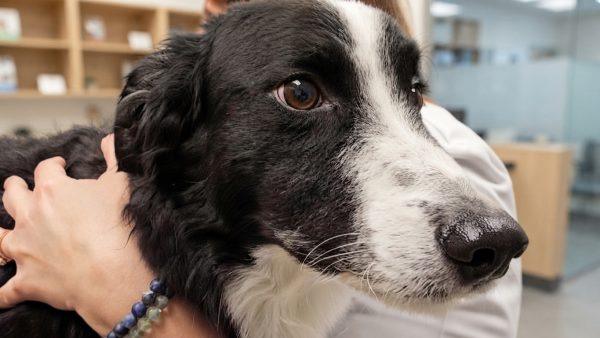
The return of the New World screwworm to the United States after six decades has thrown Texas animal shelters into turmoil. The parasitic fly, which entered through the border with México, has forced a halt to most pet adoptions and interstate transfers, leaving shelters across the state struggling to manage an influx of dogs and cats.
At the Gulf Coast Humane Society in Corpus Christi, the population has swelled from 325 to nearly 450 animals in just a few weeks, according to director Mia Bendixsen. "We're at a breaking point," she said. "We can't move animals out, and the ones coming in have nowhere to go."
The crisis is compounded by the fact that 44 states have banned shipments from affected regions in southern Texas, cutting off the lifeline that many shelters relied on to send animals to less crowded facilities in places like New York and Indiana. The restrictions are meant to protect the cattle industry, valued at $113 billion nationally, but they've had a devastating side effect on animal welfare.
In 2025, Texas already recorded nearly 89,000 dogs transferred out of state and a record 45,000 euthanized, according to ASPCA data. Now, with transfers halted, shelters are improvising outdoor exercise spaces and begging for waivers from veterinary inspection protocols. "We're doing everything we can to avoid mass euthanasia," said Aaron Grady, director of the Houston Humane Society, which has launched a foster network to accommodate up to 300 additional animals.
Logistical hurdles and creative solutions
The outbreak has also tightened certification windows for animal shipments. States like Florida now require inspections within three days of travel, down from the previous 30-day window, making it nearly impossible for shelters to coordinate weekly transfers. "We used to send animals to Indiana every week," said a spokesperson for the Corpus Christi shelter. "Now we're lucky if we can send one or two a month."
Veterinarians like Lori Teller point to a deeper issue: cultural resistance to spaying and neutering in rural areas. "Without preventive sterilization, we're just putting a band-aid on a wound that keeps reopening," she said. "The shelters fill up faster than we can empty them."
Some shelters are turning to creative alternatives, like the foster network in Houston, but these are temporary fixes. "We need structural solutions," said Delcianna Winders, director of the Animal Law and Policy Institute. "Providing financial support to families so they can keep their pets would dramatically reduce shelter intake."
The U.S. Department of Agriculture is working on prevention campaigns, but the immediate crisis requires coordinated action between state agencies, veterinarians, and animal welfare groups. "We're in a race against time," Bendixsen said. "Every day we can't move animals is a day closer to euthanasia for many of them."
For now, shelters are urging the public to adopt locally, foster if possible, and support spay-and-neuter initiatives. The situation is a stark reminder of how interconnected our systems are—and how a single pest can disrupt lives across borders, from Florida's extended emergency to the heart of Texas. As the state grapples with this outbreak, the hope is that lessons learned will lead to more resilient animal welfare infrastructure.
In the meantime, the animals wait. And so do the people who care for them, hoping that the next shipment will go through, that the next inspection will pass, and that the screwworm will be contained before more lives are lost.