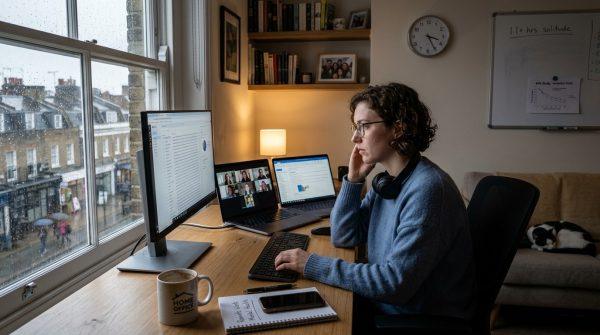
Working from home has become a staple for millions across the Americas, from the tech hubs of São Paulo to the creative studios of Buenos Aires and the corporate offices of Miami. But a growing body of research suggests that the very flexibility we've come to cherish may come with a hidden cost: a quiet erosion of mental health.
According to recent studies, remote workers now spend an average of 1.1 additional waking hours in complete solitude each workday. That might not sound like much, but over weeks and months, those solitary hours accumulate into a significant psychological burden. The American Psychological Association has documented that this lack of consistent human interaction can lead to a gradual decline in emotional stability, often unnoticed until symptoms become severe.
Why Isolation Hits Harder for Latinos
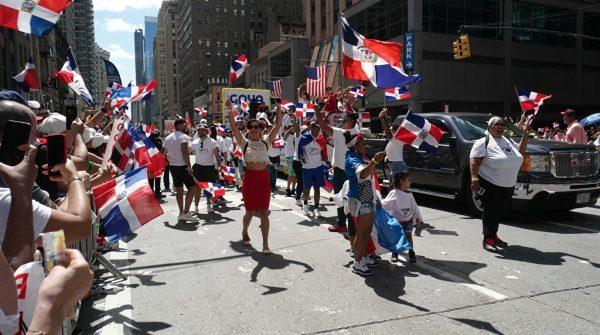
For Latino professionals, the impact can be particularly acute. Our cultures thrive on connection—the sobremesa after lunch, the spontaneous cafecito with colleagues, the shared laughter in a bustling office. When those moments vanish, replaced by a screen and a silent home, the emotional toll can be profound. A study from the National Institute of Mental Health confirms that regular social contact acts as a protective shield against conditions like anxiety and depression. Without it, we're more vulnerable.
Consider the experience of a young graduate from Bogotá now working remotely in New York. The flexibility allows them to avoid a grueling commute, but it also strips away the informal mentorship and camaraderie that once helped navigate a new city and career. As we've reported in our coverage of young Latino graduates, the shift to remote work has reshaped hiring and networking, often leaving newcomers isolated.
The research also highlights a direct link between prolonged solitude and reduced release of neurotransmitters tied to collective well-being. In other words, our brains are wired for connection, and when we don't get it, we suffer. The degradation is silent, but it's real.
What Can Be Done?
Organizations are beginning to take notice. Some are implementing mandatory in-person days or structured virtual social events. But experts argue that the responsibility shouldn't fall solely on employers. Individuals can also take steps to protect their mental health: setting clear boundaries between work and personal time, scheduling regular face-to-face activities, and seeking out community spaces.
For Latino workers, this might mean joining a local cultural group, attending a fútbol match, or simply making time for a phone call with family back in México or El Salvador. The key is to intentionally replace the spontaneous interactions that remote work has stolen.
The benefits of remote work are undeniable—flexibility, reduced commuting, and often greater productivity. But as the evidence mounts, it's clear that we cannot ignore the human need for connection. The challenge for the Latino community, both in the diaspora and across Latin America, is to find a balance that honors our cultural values while embracing the tools of modern work.
As we look ahead to events like the 2026 World Cup, which will bring together fans from across the hemisphere, it's a reminder that our strength lies in our connections. Whether in a stadium or an office, we thrive when we're together.