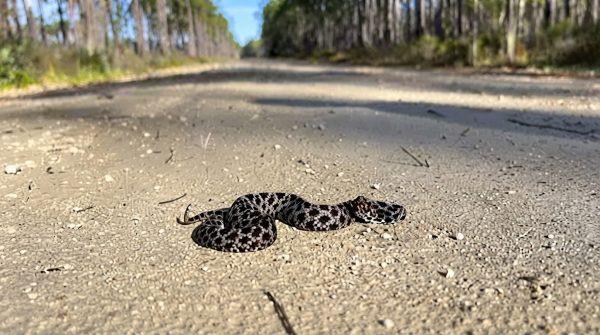
Florida and Texas beaches draw millions of visitors each year, but they also host a less obvious resident: the rattlesnake. These venomous snakes thrive in the sandy dunes, grassy patches, and coastal brush that line the Gulf of Mexico and the Atlantic shore. That doesn't mean you should cancel your trip—it means you should know where they live and how to share the space safely.
Where rattlesnakes are found on the coast
In Florida, the eastern diamondback—the largest rattlesnake in North America—makes its home in protected coastal ecosystems. The National Park Service has confirmed its presence at Fort Matanzas National Monument near St. Augustine, and nearby Rattlesnake Island owes its name to these reptiles. Their brown and tan patterns blend perfectly into the sandy terrain and pine forests, so it's easy to walk right past one without noticing.
Texas has its own share of rattlesnake territory. Along the Gulf Coast, Galveston is a popular destination where sightings have been reported, and the Texas Parks and Wildlife Department notes that dunes near San Luis Pass are frequent habitats. Further south, Padre Island National Seashore is home to the western diamondback, which hides in dunes and grasslands. These snakes aren't just lounging on open sand—they also shelter under logs, in thick grass, and near low brush, especially during the intense summer heat.
How to avoid a snakebite
You don't need to turn your beach day into a survival mission. Simple precautions go a long way, especially if you're traveling with kids or pets. The Centers for Disease Control and Prevention advises avoiding direct contact with wildlife and paying attention to dark, hidden spots where snakes often rest.
- Stick to marked paths. Use designated access points and avoid cutting across dunes or dense vegetation. Walking off-trail not only puts you at risk but also damages the plants that hold the sand in place.
- Wear closed-toe shoes. Sandals leave your feet exposed when you're walking through natural trails or grassy areas.
- Don't reach into unseen spots. Snakes often hide under rocks, logs, or in thick brush. Keep your hands out of places you can't see.
- Keep children and pets close. They're more likely to explore on their own and stumble into a snake's hiding spot.
- If you hear a rattle, back away slowly. Don't make sudden movements. And remember, not all rattlesnakes rattle before striking, so stay alert even in silence.
What to do if you're bitten
A rattlesnake bite is a medical emergency, even if the wound looks small or the pain seems manageable. Call 911 immediately and try to keep the person as calm and still as possible. Remove rings, watches, or tight clothing before swelling starts, and wash the wound with soap and water, then cover it with a clean, dry cloth.
What you shouldn't do is just as important: don't try to suck out the venom, don't cut the skin, don't apply ice, and don't use a tourniquet. These old-school methods can make things worse. The best move is to get professional help fast.
For those planning a trip to the Sunshine State, it's worth noting that Florida holds billions in unclaimed money—but that's a different kind of treasure hunt. And if you're heading to the Gulf Coast, keep an eye on weather alerts, as storm remnants can bring flooding that might push wildlife into unexpected areas.
Rattlesnakes are part of the natural beauty of these coastal regions. With a little awareness and respect for their space, you can enjoy the sun, surf, and sand without an unwanted encounter. After all, the goal is to leave with great memories—not a snakebite story.