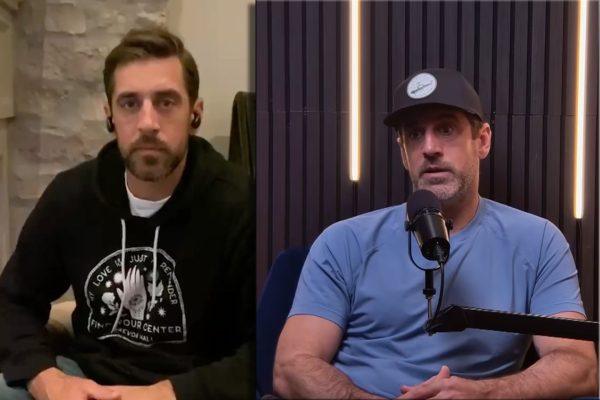
PARIS — After the Pittsburgh Steelers edged out the New Orleans Saints 16-10 at the Stade de France, quarterback Aaron Rodgers didn't hold back. In his postgame press conference, the veteran passer took aim at NFL owners and league leadership, calling the 17th regular-season game a financially motivated move that ignores player health and recovery.
“This isn't about football,” Rodgers said, his voice carrying the frustration of a long week. “It's about the bottom line. The owners added a game to make more money, and they're shipping us across the world without a second thought.”
The 17-game schedule was introduced in the 2021 collective bargaining agreement, a change that eliminated one preseason game and added a regular-season contest. Rodgers argued that a 16-game season spread over 18 weeks, with two bye weeks per team, would be a far better structure—especially as the NFL pushes its international expansion.
A better blueprint for global football
Rodgers laid out a clear alternative: keep the season at 16 games, give every team two byes, and use those windows to schedule international matchups. That way, teams could travel early, adjust to time zones, and still have time to recover before returning home.
“You want to grow the game globally? Great,” he said. “But do it right. Give us time to actually see the city, to connect with the fans, to be human. Instead, we fly in on Friday, play on Sunday, and fly home Monday morning. That's not a cultural exchange—that's a business trip.”
The contrast between the two teams in Paris was stark. The Saints arrived early in the week, hosted community events, and had time to acclimate. The Steelers, by contrast, landed late Friday, leaving players to battle jet lag before taking the field. After the game, the team boarded a nine-hour flight back to Pittsburgh to prepare for a divisional clash with the Cleveland Browns.
Head coach Mike McCarthy echoed some of Rodgers' concerns, though he framed the tight schedule as a competitive choice. “I would have loved to spend more time in Paris,” McCarthy admitted. “But our priority was winning the game and getting home to prepare for Cleveland. That's the reality of this league.”
Rodgers didn't spare the league's rhetoric about player safety. “They talk about protecting us, but then they add games and cut bye weeks. It's all talk. The brand comes first, the balance sheet comes second, and the players come somewhere after that.”
The quarterback's comments come as the NFL continues to expand its international footprint, with games scheduled in London, Mexico City, and now Paris. But Rodgers suggested that owners are reluctant to invest in the logistics that would make these trips more humane—like extended hotel stays and proper recovery time.
“They want the global market, but they don't want to pay for it,” he said, a wry smile crossing his face. “They'll fly us in economy if they could.”
Rodgers' critique resonates beyond the gridiron. For many Latino fans, the NFL's international push mirrors broader patterns of corporate expansion that often overlook local communities. As the league courts audiences in México and beyond, the question remains whether it will invest in meaningful engagement or simply extract revenue.
For now, Rodgers is content to speak his mind, even if it means ruffling feathers in the owners' suites. “I'm not worried about fines anymore,” he said. “I'm worried about the guys in the locker room. We're not just assets. We're people.”