As the 2026 FIFA World Cup approaches—co-hosted by the United States, México, and Canada—a Brazilian psychic known as the 'Living Nostradamus' has stirred excitement with his unconventional predictions. Athos Salomé, who claims a track record of foreseeing historical events, says his visions reveal the tournament's winner through intense colors, specifically red and orange. For Latino fans across the Americas and the diaspora, this adds a layer of mystique to a competition already rich with passion.
The Colors of Victory
Salomé describes his method as intuitive, not analytical. He perceives a palette of fiery hues that he believes signal which teams will endure the tournament's pressure. According to him, the energy of success manifests in these tones, guiding his focus on squads whose kits match his visions. Spain, the reigning European champion, leads his list, followed by Portugal with its crimson jerseys and Morocco, which he calls a potential 'dark horse.' England, France, and the Netherlands also appear, with the latter's iconic orange aligning perfectly with his prophecy.
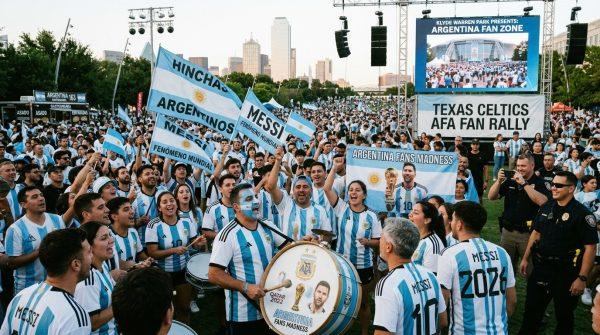
This approach resonates with many Latino fans who appreciate the blend of folklore and sport. In countries like Argentina, Brasil, and Uruguay, where soccer is almost a religion, such predictions often spark lively debates in bars and living rooms. While Salomé's method lacks statistical backing, his claims tap into a cultural tradition of seeking signs in the beautiful game.
Beyond the Prophecy
Mainstream bookmakers and analysts offer a more grounded perspective. Current models favor Spain, France, and England as the strongest contenders, based on squad depth and recent performances. Salomé, however, insists his visions align with these assessments, noting that the physical power of these teams generates the 'friction' he associates with fiery colors. This convergence of mysticism and data has fueled discussions among fans, especially as the tournament draws near.
For Latino communities, the World Cup is more than a sporting event—it's a cultural touchstone. Whether in music or daily life, predictions like Salomé's offer a playful counterpoint to serious analysis. As the opening kickoff approaches, the question remains: will the winner's colors match the psychic's vision? Only time will tell, but for now, the speculation keeps fans engaged across the hemisphere.
Salomé's predictions also highlight the diversity of Latin American perspectives. While some dismiss his claims as entertainment, others see them as part of a broader tradition of divination in Latin culture, from curanderismo to santería. This blend of faith and sport is familiar to many bicultural Latinos, who navigate multiple worlds daily.
As the 2026 World Cup unfolds, the debate between prophecy and probability will continue. But for now, Salomé's fiery colors have added a unique layer to the anticipation, reminding us that soccer, like life, often defies simple explanation.