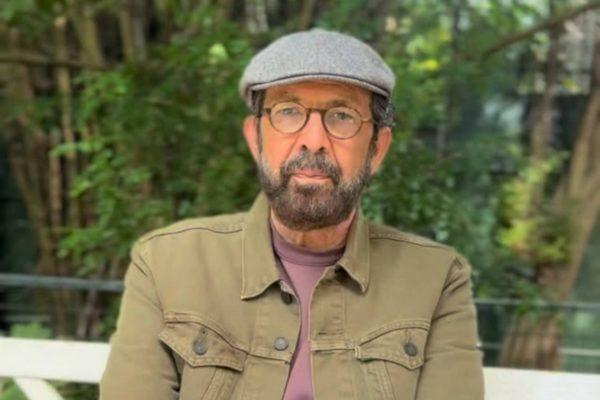
If you've ever wondered how to say "let's grab a bite" in Guatemala, the answer might just be "vos vamos a tramar"—and thanks to Pardo Pardo, the rest of the world is finally in on the joke. The Guatemalan artist and content creator has taken social media by storm with a hilarious breakdown of the country's most beloved slang, turning everyday expressions into a celebration of Chapín identity.
In the video, Pardo Pardo walks viewers through the streets of Guatemala, unpacking words and phrases that are second nature to locals but often baffling to outsiders. From tramar—which roughly means to hang out or grab a bite with friends—to carita, a term used to describe someone who is handsome even if they're bald, the artist delivers each explanation with his signature charm and wit.
The response has been overwhelming. Thousands of viewers across Latin America and the diaspora have flooded the comments, sharing how similar expressions are used in their own countries. It's a reminder that while each nation has its own linguistic quirks, the humor and warmth behind them are universal.
More than just words: a window into Chapín culture
Pardo Pardo's video isn't just a list of funny phrases—it's a love letter to Guatemala. Terms like chuchito, which affectionately refers to a puppy (or even a small dog), and the habit of calling a friend vos instead of tú, reveal a culture that values closeness, playfulness, and creativity in everyday speech.
For many Guatemalans, hearing these words spoken with pride is a source of joy. "It's like hearing your abuela's cooking described by a chef," one commenter wrote. The video has become a space where Chapínes can laugh at themselves and feel seen, while others get a glimpse into a world that's often underrepresented in mainstream media.
This isn't the first time slang has taken center stage in Latino pop culture. Similar guides have popped up for Puerto Rican slang with singer Robi and even New York street talk, showing that language is a living, breathing part of identity.
Social media as a cultural bridge
What makes Pardo Pardo's video so effective is its ability to connect people. As viewers from México, Colombia, and beyond chime in with their own regional expressions, it becomes clear that these linguistic gems are more than just words—they're a form of cultural currency that transcends borders.
For younger generations, especially those born or raised outside Guatemala, videos like this are a lifeline to their roots. They offer a way to stay connected to a homeland they may have never visited, and to feel proud of a heritage that's often overlooked.
Pardo Pardo, who is also a musician, has positioned himself as more than just an entertainer. He's become a cultural ambassador, using his platform to shine a light on the richness of Guatemalan life. His work echoes the efforts of other Latino artists who are reclaiming their narratives, much like Olivia Rodrigo's recent single explores personal pain, or how Selena Gomez's friendships make headlines—all of it part of a broader cultural conversation.
As the video continues to circulate, it's clear that Guatemalan slang is having its moment in the spotlight. And while some may see it as just a funny video, for many it's a validation of a culture that has always been rich, witty, and full of life.
So the next time you hear someone say "¡qué pedo!" or "está chivo", you'll know: it's not just slang—it's a piece of Guatemala's soul, shared with the world one laugh at a time.