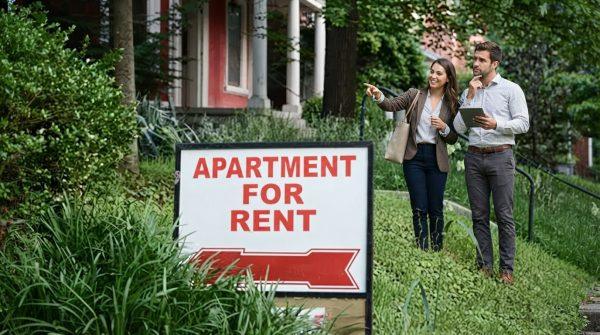
For many Latinos in New York City, finding an apartment is a rite of passage—and often a struggle. Between bidding wars, broker fees, and endless paperwork, the process can feel like a second job. But there are rules to protect you, and a recent settlement shows that breaking them has consequences.
The New York Attorney General’s office secured a $352,250 settlement from Brooklyn High Rise LLC, a real estate firm that systematically discriminated against prospective tenants. The investigation found that between July 2019 and September 2025, the company used third-party screening reports to reject applicants who had prior housing court disputes with former landlords—a practice known as tenant blacklisting. In total, 203 people were wrongly denied apartments.
This isn’t just a legal footnote. For many in our community, a housing court record can come from a landlord who failed to make repairs or a dispute over a rent increase. Being blacklisted for that is not only unfair—it’s illegal under the Housing Stability and Tenant Protection Act.
Illegal reservation fees and lost deposits
The same firm also charged “good faith” deposits of $500 to $750 to hold apartments while applications were processed. When applicants withdrew or were rejected, the money was not returned. Roughly 300 people lost their funds between January 2020 and December 2025. The settlement requires the firm to pay $150,000 in restitution, with individual payouts of $500 or $750.
This practice is a red flag. In New York, landlords and brokers cannot charge a reservation fee just to consider your application. If you’re asked for one, you may be dealing with a scam.
Know your rights: background checks and fees
Under state law, a landlord can charge you a maximum of $20 for a credit or criminal background check—and they must provide you with an invoice and a copy of the report. If you have your own credit report from within the last 30 days, you can bypass that fee entirely.
Fair chance housing laws also limit when criminal background checks can happen. Landlords can’t review sealed records, arrests, or dismissed charges. They must wait until after a conditional offer is made, and they have to consider each applicant individually before making a negative decision.
Protections for voucher holders
If you have a Section 8 voucher or other government rental assistance, landlords cannot refuse to rent to you based on that. They also can’t accept some vouchers and reject others. This is a common issue for Latino families, and it’s illegal.
If you believe you’ve been discriminated against, keep every document: ads, messages, receipts, application copies, and any written rejection. File a complaint with the New York Attorney General’s office or the Division of Human Rights. Community organizations can help you navigate the process.
For more on housing struggles in the region, check out how Los Angeles renters are coping with rising costs. And if you’re looking for affordable options, a Midtown Manhattan lottery recently opened for apartments starting at $863.
Remember: knowing your rights is the first step to protecting your home and your wallet. Don’t let anyone take advantage of you.