In the midst of New York City's brutal housing market, where vacancy rates hit historic lows and rents keep climbing, an unexpected solution has emerged: nuns offering cheap rentals in convents and religious residences. For young professionals, especially those from Latino communities who often face additional barriers in the city's competitive real estate scene, these spaces provide a rare combination of affordability, safety, and community.
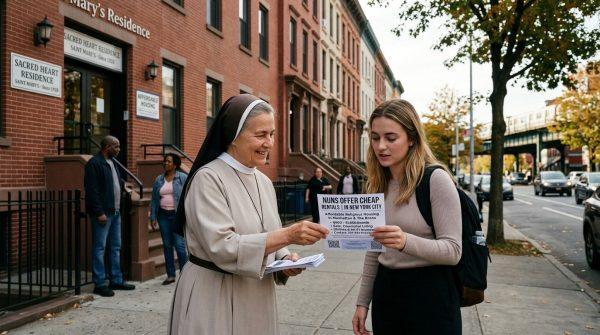
Managed by religious orders like the Sisters of the Sacred Heart and St. Mary's, these residences are scattered across neighborhoods from the Upper West Side to the Bronx. Rents range from $800 to $1,650 per month—a fraction of what a typical Manhattan studio would cost. And that price often includes utilities, high-speed Wi-Fi, cleaning services, and even meals. For many, it's a lifeline against the 20% surge in real estate prices seen in 2026, as reported by the NYC Housing and Vacancy Survey.
A Community Alternative to the Cold Market
What sets these spaces apart is not just the price, but the atmosphere. Residents like Katie Rettig, who lives at the Sacred Heart Residence, describe a sense of trust and order that contrasts sharply with the uncertainty of traditional online listings. “You know who you're living with, and the sisters genuinely care,” she says. This communal living model fosters a sense of unity rarely found in the city's often transactional landlord-tenant relationships.
For Latino renters, many of whom prioritize family and community values, this environment can feel more familiar and welcoming. The residences accept tenants regardless of religious affiliation, transforming the traditional convent into a modern hospitality center. “It's not about religion—it's about having a secure roof at a fair price,” explains Sister María González, who oversees a residence in the Bronx.
The diversity of options spans from the Upper West Side to the Bronx, where centers like Centro Maria maintain active supervision. Each evening, tenants return to a protected environment, a system that replaces the cold, impersonal nature of commercial real estate with daily support and human connection.
Rules and Realities
Of course, these residences come with rules. Evening curfews are common, aimed at ensuring everyone's safety. Common areas are cleaned daily by religious staff, often exceeding typical hygiene standards for shared housing. Restrictions on alcohol and male visitors in bedrooms are strictly enforced to maintain tranquility. Communication about arrival times is managed via lobby whiteboards, allowing the sisters to monitor logistics.
Some locations, like Kolping House, offer more flexibility, with separate quarters for men and women. But overall, the system is designed for those who value stability and order over the freedom of a traditional apartment. For many young professionals, especially those starting their careers or working essential jobs, this trade-off is well worth it.
The current offer responds to a historical need for safe lodging, effectively adapting to the demands of today's urban workforce. As the Texas housing market shifts and other cities face similar pressures, New York's religious residences stand as a unique model.
The Future of Affordable Religious Housing
However, this sector faces challenges. The closure of multiple boarding houses during the global health crisis, combined with rising operational costs and a decline in active religious sisters, has limited available spots. Waiting lists are long for these highly sought-after locations.
Yet, the continued operation of residences like Menno House in Manhattan demonstrates that affordable religious housing remains a fundamental pillar. It bridges social needs with viable architectural solutions, ensuring the city preserves a support network for essential workers and students who require assistance during their initial years of residency.
For Latino renters, who often face additional hurdles in the housing market—from discrimination to language barriers—these residences offer a path to stability. As the debate over renting vs. buying continues, and with AI threatening Miami office jobs, the need for affordable, secure housing has never been greater.
The search for economical options in New York consolidates the importance of these residences. Nuns offering cheap rentals are a viable alternative against galloping real estate inflation. The combination of human values, safety, and fair pricing positions these centers as an indispensable piece of the housing reality, keeping the metropolis accessible for those working toward their future.