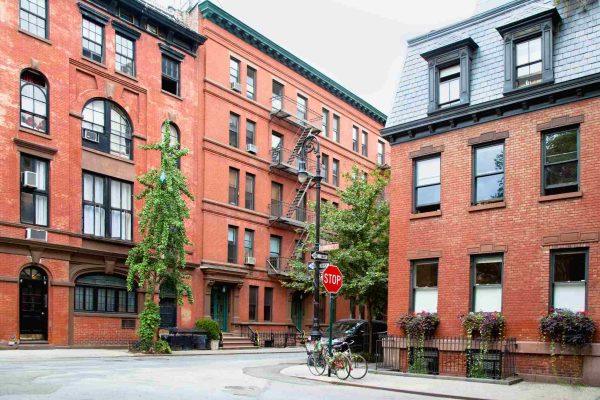
It was one of the hottest weekends of the summer in New York City, and for thousands of residents, the heat wasn't the only problem. Across Brooklyn, Queens, and parts of the Bronx, air conditioners went silent as Con Edison reported nearly 19,000 customers temporarily lost power. The utility company blamed extreme temperatures and surging demand on the electrical grid, urging everyone to conserve energy while crews worked to restore service.
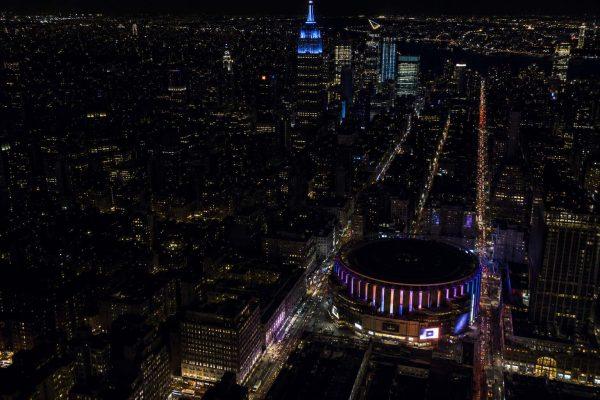
But as families in places like Bushwick and Jackson Heights sat in sweltering apartments, a very different scene unfolded just a few miles away in Midtown Manhattan. Madison Square Garden hosted the wedding of Taylor Swift and Travis Kelce, an exclusive event for roughly 1,000 guests that turned the area into a fortress of bright lights, road closures, and heavy security.
A Tale of Two New Yorks
The timing couldn't have been more jarring. While Con Edison asked New Yorkers to reduce electricity use, the Empire State Building lit its iconic tower in blue to celebrate the wedding. Times Square's giant digital billboards blazed, and the event's own lighting setup consumed power at a scale that many found hard to reconcile with the city's conservation pleas.
Street closures around Penn Station and Moynihan Train Hall added to the frustration. Commuters using Amtrak, the Long Island Rail Road, New Jersey Transit, and the subway had to navigate alternative entrances during one of the busiest holiday travel weekends. The NYPD cited security concerns, but for many, the disruptions felt like a privilege reserved for the few.
Social media erupted. Photos and videos of the Empire State Building's blue glow spread quickly, with users questioning the optics. No one accused the wedding of causing the blackouts—Con Edison made clear the outages were due to heat and demand—but the contrast was impossible to ignore. As one commenter put it, "It's not about blame; it's about what the city chooses to celebrate."
This isn't the first time New York's luxury market has sparked debate. The city's cooling luxury real estate market has already highlighted growing divides, and this event only amplified questions about who gets to enjoy the city's resources during a crisis.
For Latino New Yorkers, many of whom live in the outer boroughs hit hardest by the outages, the story resonated deeply. Communities in Washington Heights, Corona, and Sunset Park—where families often juggle multiple jobs and limited air conditioning—saw the wedding as a symbol of a city that sometimes forgets its working-class backbone. "We're told to save energy, but the lights stay on for the rich," one resident tweeted.
The wedding itself was a spectacle: Swift and Kelce, both global icons, drew a guest list that included celebrities from music, sports, and film. But the conversation quickly shifted from the couple to the city's priorities. The event became a flashpoint for a broader debate about privilege, public messaging, and the optics of inequality during a heat emergency.
As the weekend ended, the power returned to most homes, but the questions lingered. New Yorkers are used to contrasts—the Upper East Side's shelter plan battles and the class divides in housing are nothing new—but this moment felt different. It wasn't just about a wedding; it was about who gets to be seen and who gets left in the dark.
In the end, the wedding lasted one night, but the debate over energy, equity, and image in New York City is far from over. For a city that prides itself on resilience, the challenge remains: how to balance celebration with the needs of millions who call it home.