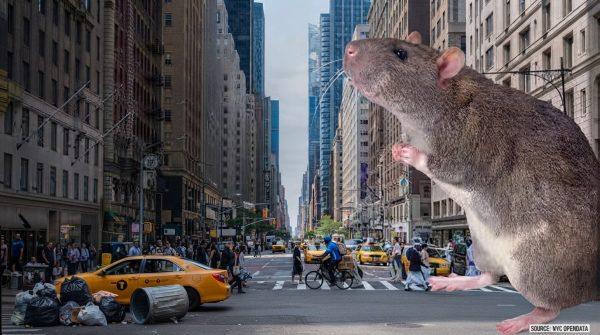
New York City is cracking down on rats with a new set of regulations that could cost property owners thousands of dollars. The rules, which took effect recently, are part of a broader effort to improve sanitation and quality of life across the five boroughs.
Under the new guidelines, the Department of Health must inspect any property within 14 days of a resident complaint. This is a significant change from previous practices, where complaints often languished in the 311 system for weeks or even months. The city has also mandated a second inspection within 20 days if inspectors cannot access the property on the first visit.
What property owners need to know
Inspectors will now thoroughly examine both the interior and exterior of buildings for signs of rodent activity, including fresh droppings, burrows, and gnaw marks. Property owners are required to seal cracks, clear basements of clutter, and store waste in rigid containers. Failure to do so can result in violation notices and fines.
The financial penalties are steep: a first offense costs $300, and fines escalate with each subsequent violation, reaching up to $2,000 for a fourth or later breach. This is a serious financial burden, especially for small landlords and homeowners who may not have budgeted for these expenses.
Brooklyn Councilwoman Susan Zhuang has been a leading voice behind the legislation, after receiving numerous complaints from constituents that were ignored by the city's 311 system. Her efforts highlight the frustration many residents feel about the city's slow response to rodent problems.
The new rules are part of a larger citywide strategy to reduce the rat population. The Department of Sanitation is gradually replacing traditional sidewalk trash bags with sealed containers, such as the Empire Bins, which now handle over 70% of municipal waste. This approach limits rats' access to food sources and is projected to transform the urban landscape by 2032.
Early results are promising: the city reports a notable drop in emergency calls about pests, with fewer than 10,000 cases in the first half of the year. While the new rules may be tough on property owners, they represent a significant step forward in the city's ongoing battle against rodents.
For Latino property owners in neighborhoods like Washington Heights, Corona, or Bushwick, these changes mean staying vigilant about maintenance and waste management. It's a shared responsibility that can help keep our communities clean and healthy.
As the city continues to refine its approach, a public hearing is scheduled for September 14 to define operational details. Property owners should stay informed and take proactive steps to comply with the new regulations.