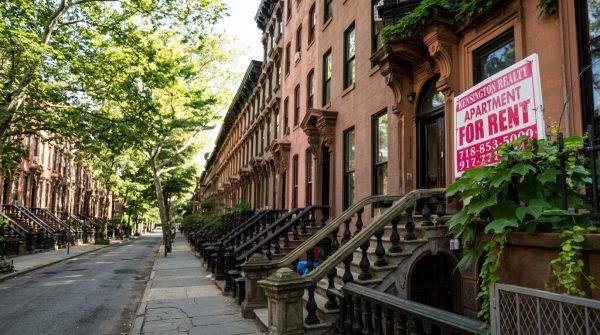
For New York renters, the cost of keeping a roof over your head is about to get steeper. Starting July 2026, new state regulations will allow landlords to demand higher security deposits, potentially adding thousands of dollars to the upfront cost of signing or renewing a lease. The change, confirmed by the state's Division of Housing and Community Renewal, aims to align deposit amounts with current market values — but for many Latino families already stretched thin, it feels like another squeeze on an already tight budget.
Real estate agencies report that initial lease payments could jump by as much as $2,000 in some neighborhoods, with Manhattan seeing increases of up to $3,000 on renewals. That's a serious blow for households that rely on every dollar to cover rent, groceries, and remittances back home. Consumer protection offices estimate that the higher deposits will reduce available household liquidity by 15% during lease signings, forcing families to dip into savings or take on debt just to secure a place to live.
Tenant associations across the city are pushing back, demanding strict audits of how landlords calculate these charges. They argue that without transparency, property owners can inflate deposit amounts arbitrarily, turning what should be a refundable safety net into a hidden fee. The Rent Guidelines Board has acknowledged the concerns, but so far, no formal cap has been proposed. Meanwhile, legal aid agencies warn that the lack of oversight could lead to a wave of evictions as families struggle to come up with the extra cash.
For many in the Latino community, this hits close to home. In neighborhoods like Washington Heights, Bushwick, and Corona — where renters are often recent immigrants or DACA recipients — the financial margin for error is razor-thin. A $2,000 deposit increase can mean the difference between staying put and being forced to move to cheaper, more peripheral areas. That kind of displacement doesn't just disrupt lives; it tears apart the social fabric that makes these communities vibrant.
So what can you do to protect yourself? Start by documenting everything. Take dated photos of your apartment on move-in day, and keep copies of all communications with your landlord. Demand itemized receipts for any deposit charges, and compare them against market rates in your area. The Department of Housing and Urban Development publishes reports that can help you spot unjustified deductions. And don't forget to monitor your bank statements for any interest your deposit should be earning — in New York, landlords are required to pay interest on deposits held for more than a year.
Legal aid groups are also setting up daily conciliation desks to help tenants dispute unfair charges. If you suspect your landlord is overcharging, file a complaint with the Rent Guidelines Board. Courts have shown a willingness to penalize documented abuses, but they can't act unless tenants speak up. For those who need extra support, organizations like the New York City Housing Authority and local nonprofits offer free workshops on tenant rights.
The broader picture is sobering. Urban analysts estimate that the new rules could generate an additional $4 billion in deposits during the first half of 2026 alone. That money, tied up in landlord accounts, won't be circulating in the local economy — and it won't be helping families pay for school supplies, medical bills, or that trip to visit family in Puebla or San Salvador. The housing crisis is already forcing many New Yorkers to reconsider their futures in the city, and this latest change only adds to the pressure.
For now, the best defense is knowledge. Stay informed about your rights, and don't be afraid to ask questions. The NYC lease renewal guide offers practical tips for negotiating deposits and avoiding common pitfalls. And if you're worried about scams, check out our guide on how to spot free money scams that often target Latino renters. Remember, a security deposit is supposed to protect both you and your landlord — not become a tool for exploitation.
As the July 2026 deadline approaches, tenant advocates are calling for deeper legislative reforms, including mandatory deposit caps and stronger penalties for landlords who abuse the system. Until then, the onus is on renters to stay vigilant. Document everything, know your rights, and don't let anyone tell you that paying more is just the cost of living in New York. It doesn't have to be.