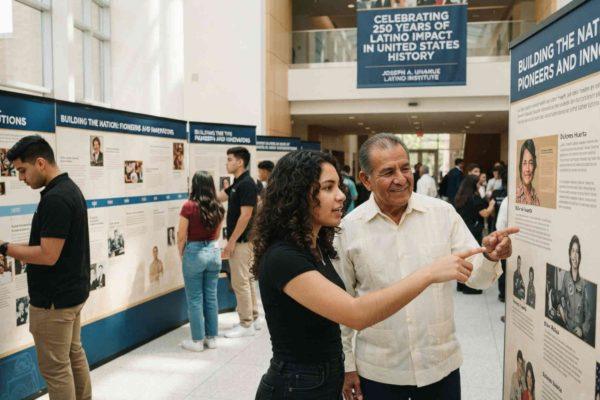
On a crisp autumn morning, the campus of Seton Hall University in South Orange, New Jersey, became a living classroom. The occasion was the official debut of Celebrating 250 Years of Latino Impact in United States History, a traveling exhibition that aims to make visible the profound ways Latinos have shaped the nation—from the battlefields of the Revolution to the corridors of modern medicine and community organizing.
More than 100 young leaders from across the country gathered for the opening, walking through over 30 museum-style panels that tell stories of perseverance, ingenuity, and leadership. The exhibition, organized by the Joseph A. Unanue Latino Institute, is not just a static display; it is a call to action for a new generation to see themselves in the nation's narrative.
More Than a Gallery Walk
The opening day was designed to be immersive. Beyond the visual journey through history, attendees were treated to surprise appearances by some of the very figures featured in the exhibit. Community leaders and healthcare executives—people who have navigated the complexities of their fields while holding onto their cultural roots—shared personal stories of resilience and the grit required to carve out spaces in predominantly non-Latino industries.
These conversations were not one-way lectures. Students engaged in lively debates about the importance of maintaining one's identity while pushing for greater representation in positions of power and decision-making. The message was clear: Latino history is American history, and the future depends on young people who understand that connection.
The exhibition also included an interactive workshop titled History is Watching Us, which used artistic dynamics to foster leadership and community service. The goal, according to organizers, is to equip young Latinos with the self-esteem and tools they need to become the next generation of change-makers. This initiative is part of a broader effort to solidify pride and visibility, not just in New Jersey but across the country.
For those who cannot visit in person, the themes resonate beyond the exhibit halls. The challenges highlighted—such as the housing crisis affecting Latino families—are reminders that the fight for equity is ongoing. The exhibit serves as both a mirror and a window: a reflection of past achievements and a glimpse into the work that still lies ahead.
As the exhibition travels to other cities, it carries with it the stories of individuals who, from the early days of the republic to the present, have contributed to the nation's cultural and economic fabric. From the Tejanos who fought at the Alamo to the Puerto Rican activists who shaped urban policy in New York, the panels celebrate a legacy that is often overlooked in mainstream textbooks.
For the young leaders at Seton Hall, the experience was transformative. Many left with a renewed sense of purpose, understanding that they are not just inheritors of a rich history but active participants in its continuation. As one attendee put it, "We are not a footnote in American history; we are a chapter."
The exhibition is a testament to the power of visibility. It reminds us that the Latino community's contributions are not a recent phenomenon but a constant thread woven into the fabric of the United States. And with initiatives like this, the next 250 years look brighter than ever.