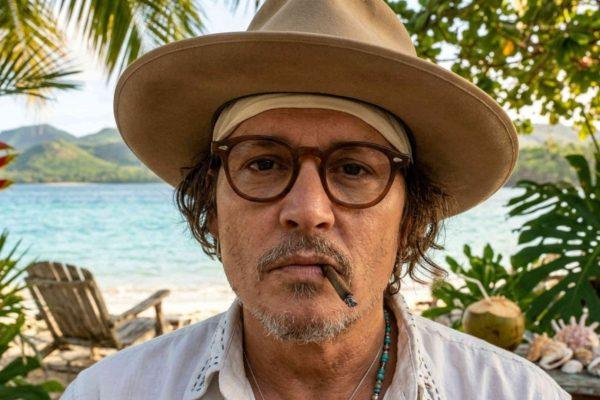
When Johnny Depp first swam in the warm Caribbean waters while filming Pirates of the Caribbean, something clicked. The actor, who had spent years navigating Hollywood's relentless spotlight, found a kind of peace he hadn't known. In 2004, he put down about $3.6 million for Little Hall's Pond Cay, an 18-hectare slice of the Bahamas, and set about turning it into something far more meaningful than a celebrity playground.
Instead of building a resort or courting the kind of luxury tourism that has reshaped so many coastlines across the region, Depp chose the opposite path. The island is now a protected ecological reserve, powered entirely by solar energy, with its coral reefs left to thrive undisturbed. It's a quiet, deliberate statement: not every paradise needs a hotel.
A sanctuary built on simplicity
Depp's vision for Little Hall's Pond Cay is refreshingly modest. The infrastructure on the island runs on a photovoltaic system that meets all its energy needs without polluting the air or the surrounding waters. Inside, the design is humble—no marble lobbies, no infinity pools. The actor has described the place as a simple island home, a space for reading, painting, meditating, and breathing. It's a far cry from the glitzy celebrity estates that often dominate headlines, and it's a reminder that true luxury can be found in solitude and nature.
This approach stands in stark contrast to other high-profile property moves in the region. Consider, for instance, the recent sale of Juan Gabriel's Florida estate, which is being marketed as a private resort. Or the ongoing concerns about Miami's luxury towers sinking unevenly, a reminder that unchecked development can have consequences. Depp's island, by contrast, is a model of restraint.
Privacy as a form of conservation
Access to Little Hall's Pond Cay is strictly limited to Depp's closest family and friends. This isn't just about keeping paparazzi at bay—though that's certainly a factor. It's also a conservation strategy. By limiting human presence, the island's native vegetation can flourish, and its beaches remain pristine. The actor has made it clear that this is not a place for curious fans or commercial ventures. It's a sanctuary, pure and simple.
For Depp, the island represents a kind of freedom that fame rarely offers. In an industry where every move is scrutinized, having a place where he can be completely alone is invaluable. It's a sentiment that resonates with many Latin Americans who understand the importance of tranquilidad—a deep, unbothered peace that can't be bought but can be cultivated.
This commitment to ecological preservation is part of a broader conversation about how celebrities and wealthy individuals use their resources. While some invest in quiet luxury empires or massive yachts, Depp has chosen to protect a small piece of the Caribbean. It's a choice that speaks to a growing awareness, even among the ultra-rich, that the greatest luxury might be a healthy planet.
As the Bahamas and other Caribbean nations grapple with the pressures of climate change and overtourism, Depp's island offers a different model—one where conservation takes precedence over commerce. It's not a solution to the region's challenges, but it's a meaningful example of what's possible when someone with resources decides to give back to the land that gave them so much.
For now, Little Hall's Pond Cay remains a private refuge, a hidden gem in the Exuma chain. But its story—of an actor who fell in love with the sea and chose to protect it—is one worth telling. It's a reminder that sometimes the most powerful thing we can do is simply leave a place alone.