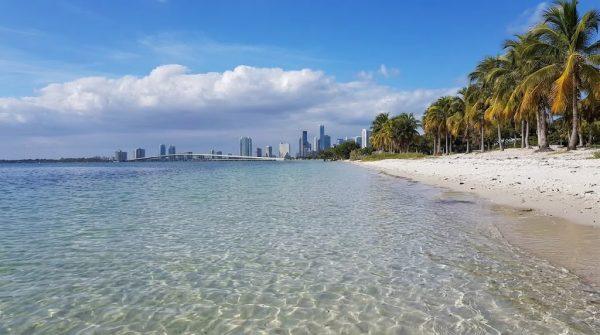
In a decisive vote on October 6, 2026, Miami residents turned down Proposal 3, a controversial plan to lease 28 acres of city-owned waterfront land on Virginia Key to a private joint venture. The proposal, which would have granted a 45-year lease with two 15-year renewal options to Virginia Key LLC—a partnership between Dallas-based Suntex Marinas and Miami Beach's RCI Marine Group—was rejected by a 65% majority. The plan aimed to redevelop the Rickenbacker Marina complex and two marinas along the Rickenbacker Causeway, but voters made it clear they want their public shoreline to stay public.
A victory for community advocates
The outcome was celebrated by environmental groups, marina operators, and local business owners who had campaigned against the deal. Aabad Melwani, operator of the Rickenbacker Marina and founder of Preserve & Protect Miami, called the result a win for the people. “Our public waterfront should benefit the people of Miami, not out-of-state private equity interests looking to cash in on it,” he said in a post-election speech. Adam Gersten, owner of the popular waterfront bar Gramps Getaway, also led the “No” campaign alongside senior advisor Justin Mendoza-Routt, rallying support from the bar's patio just south of the Rusty Pelican.
The proposal had been in the works since 2017, but it faced years of legal challenges and was placed on the ballot only after a court order. Critics pointed out that the financial projections were based on pre-pandemic real estate values, failing to account for the post-COVID boom that has reshaped Miami's waterfront. The deal offered a minimum annual base rent of $2.2 million plus a percentage of revenue, alongside an $80 million private investment—but for many voters, that wasn't enough to justify handing over public land.
Environmental and heritage concerns
Beyond the numbers, the referendum was about protecting Biscayne Bay and the area's maritime heritage. The project would have transformed the historic Miami Marine Stadium and the adjacent marina, a site that holds deep cultural significance for many Miamians. “This victory belongs to the people of Miami who are tired of seeing the places that make our city special become increasingly commercialized, expensive and inaccessible to families for generations,” Melwani added.
Municipal regulations now require a public referendum for any future lease or sale of city-owned waterfront land, meaning the city must consider operating the Rickenbacker Marina directly. This is the second time voters have blocked a similar deal—a 2021 proposal by Biscayne Marine Partners was also rejected. The message is clear: Miami residents want direct oversight of their coastal resources, even as they allow private firms to manage specific venues like the Marine Stadium, which was approved in a separate August vote.
Other ballot measures pass
While the Virginia Key deal failed, voters did approve two other significant measures. Referendum 1, titled “Safe and Ready Miami,” passed with 61% support, authorizing $450 million in general obligation bonds for public safety infrastructure. Referendum 2, which creates an independent oversight board for city spending on police and fire rescue projects, won with 71% approval. City Commissioner Eileen Higgins noted, “For decades, critical infrastructure needs for public safety have gone unaddressed, even as our city has grown.” The funds will finance repairs and modernizations for aging fire rescue stations across the city.
These results reflect a broader trend in Miami politics: voters are demanding fiscal transparency and community input on major decisions. The rejection of the Virginia Key deal, combined with the passage of oversight measures, signals a shift toward more accountable governance. As the city grows, residents are insisting that development serve the public good, not just private profit.
Looking ahead, the referendum sets a precedent for future negotiations across Miami-Dade County. Any proposed commercial venture on city-owned land will now require full financial disclosure and demonstrated community value, with direct public approval before any changes are made. For those who fought to keep Virginia Key accessible, this is a hard-won victory—and a reminder that in Miami, the people's voice still matters.