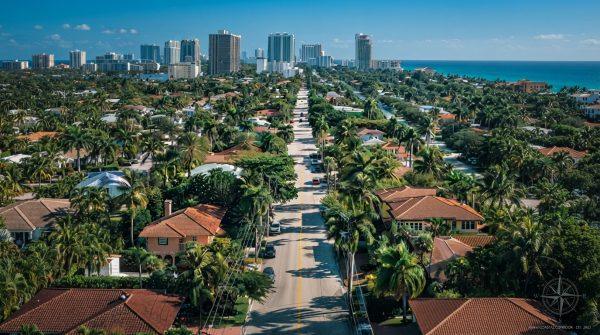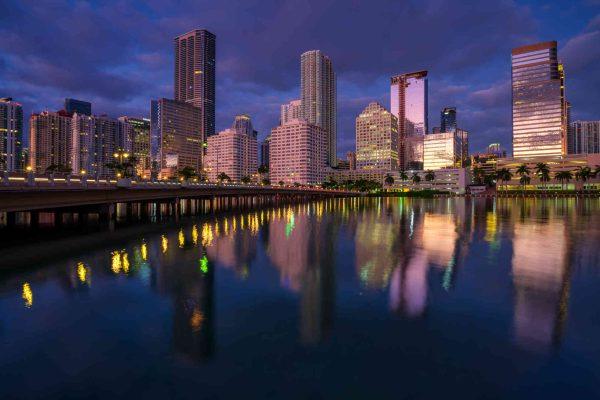
In the heart of Miami's Brickell district, a centuries-old congregation's land has become the flashpoint for a legal battle that pits the city's relentless skyward growth against the preservation of its architectural memory. First Miami Presbyterian Church, the oldest Presbyterian congregation in the area, with roots tracing back to the city's founding, signed a multi-million dollar agreement to sell part of its grounds for a development valued at approximately $240 million. The project, which includes luxury condominium towers under the Nobu brand, designed by renowned global architects, promised exclusive residences and top-tier amenities. But the ambitious plan has hit a judicial roadblock.
A court ruling that shifts the balance
In a unanimous decision, a Miami court nullified the municipal permits that would have allowed construction to proceed. The judges ruled that the city had failed to give a voice to the thousands of residents who would be directly impacted by the increased density, traffic, and environmental changes the project would bring. The ruling specifically addressed the removal of historic landmark designations from the church's parking lots and school annexes, a process that neighbors say was carried out without proper public participation.
The legal challenge was spearheaded by the Icon Brickell Condominium No. Two Association, which accused local authorities of denying due process by blocking formal participation in hearings where those landmark protections were stripped away. The court agreed, ordering the city to restart the administrative process with full transparency and to allow residents to present evidence and question the regulatory changes.
While the ruling does not cancel the luxury tower construction outright, it forces a redo of the approval steps, giving community members a seat at the table. For many, this is a victory for the principle that urban development must not steamroll the people who live with its consequences.
Heritage versus the skyline
The dispute is emblematic of the tensions that define South Florida's real estate boom. On one side, developers see a prime waterfront parcel in one of the most coveted neighborhoods in the Americas, a place where condominium units can fetch astronomical prices. On the other, residents and preservationists argue that the city's soul is at stake, and that progress should not come at the cost of erasing its history.
First Miami Presbyterian Church is not just a place of worship; it is a landmark that has witnessed the transformation of Miami from a small port town to a global financial hub. Its congregation, which has deep roots in the city's Anglo and Latino communities, now finds itself at the center of a debate that goes beyond real estate. The church's leaders have remained largely silent, but the sale agreement suggests they see the financial windfall as a way to secure the congregation's future.
The stakes are not merely financial. The site is one of the last remaining tracts with direct access to Biscayne Bay, and its development will shape the visual and ecological future of the area. For many Miamians, the fight is about whether the city can grow without losing its character.
As the legal process restarts, both sides are preparing for a long battle. Developers are expected to reapply for permits, this time with a more inclusive process. Residents, emboldened by the court's ruling, are organizing to ensure their voices are heard. The outcome will likely set a precedent for how Miami handles the delicate balance between development and preservation.
This story echoes other recent clashes in the city, such as the sale of the former Playboy Mansion and the role of elite schools in the luxury market. And as Miami swelters through record heat, the environmental stakes of such projects become even more pressing, as noted in our coverage of Miami's heat record.
For now, the church's future remains uncertain, but the ruling has given hope to those who believe that Miami's history is worth fighting for. As one resident put it, "We are not against progress, but we want it to respect who we are."