Good manners can be hard to find in some of America's biggest cities, according to a new survey that ranks the most impolite urban centers. The study, conducted by SolitaireStreak, polled residents across 40 major metropolitan areas to measure how often they encounter rude behavior and whether they think things are getting worse. The results are sparking debate about the state of civility in modern American life.
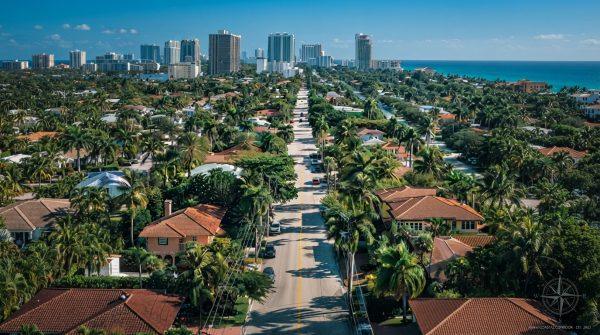
Miami takes the top spot with a rudeness score of 99.29 out of 100, and its own residents give their city an average rudeness rating of 6.55 out of 10. Las Vegas follows closely with 97.77 points, where 62% of locals say that native residents are the rudest in the entire state. Philadelphia rounds out the top three, with 75% of its residents reporting that they regularly see people using speakerphones in shared spaces and 85% witnessing drivers ignoring traffic rules.
The survey highlights that the impact of rudeness goes beyond mere annoyance. In Miami, 42% of residents say they have considered moving because of widespread bad behavior. This sentiment is echoed across the country, with one in five Americans saying they have thought about relocating due to poor manners in their city. The findings suggest that daily frictions—like aggressive driving and loud phone calls—are taking a toll on quality of life.
Traffic and Phones: The Biggest Culprits
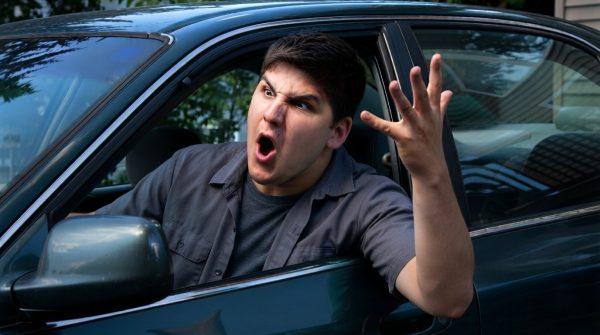
Traffic-related rudeness is a major issue. The survey found that 74% of respondents regularly see people overly absorbed in their mobile phones, and 71% observe drivers waiting until the last second to merge into another lane. Additionally, 67% say that drivers refuse to let other vehicles pass. Highways and freeways are the most problematic areas, with 56% of mentions, far surpassing public transit (12%) and grocery stores (10%).
Phone etiquette is also a growing concern. In Philadelphia, three-quarters of residents witness speakerphone use in shared spaces, and many find it highly irritating. The study notes that these small, accumulated frictions can severely impact daily life, leading to stress and a sense of social decay.
The survey also reveals generational and geographical contrasts. Nearly half of participants (48%) believe that native residents are ruder than newcomers, and 7 out of 10 Americans think city life is ruder than rural life. This perception is shaping how people view their communities and their future housing decisions.
Urban planners and civic leaders are paying attention. Specialists emphasize that civic education and community harmony are essential to counteract these trends. As cities continue to grow, balancing infrastructure with the need for respectful coexistence becomes increasingly important.
For those considering a move, the survey offers a cautionary note. Before choosing a new home, it may be wise to consider the community's social climate. Some cities, however, are seeing shifts in housing dynamics—like buyers' markets in certain areas—which could influence where people decide to settle.
The study also touches on broader economic factors that affect urban life. For example, rising rental costs in Texas and minimum wage increases in California are shaping where families can afford to live. These pressures can add to the stress of daily interactions, making patience even more vital.
As urban analysts continue to monitor social trends, one thing is clear: rudeness is not just a minor annoyance—it's a factor that can influence where people choose to live and how they feel about their communities. The survey serves as a reminder that good manners are not just a personal virtue but a public good.