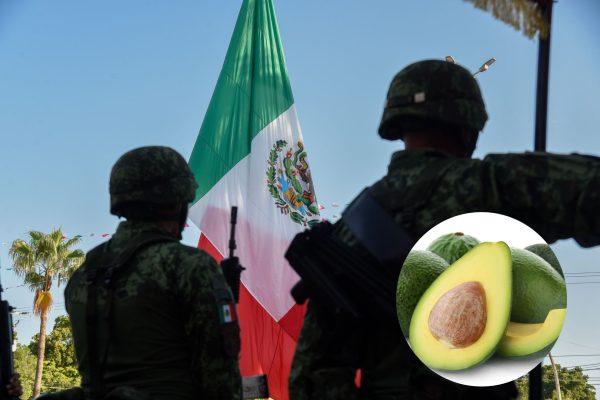
In a decisive move to shield one of Mexico's most valuable agricultural exports, the federal government has deployed more than 1,500 military personnel across Michoacán. The operation is designed to protect the avocado supply chain, which generates an estimated $2.8 billion annually and supplies nearly two-thirds of the avocados consumed in the United States. The deployment follows a temporary suspension of US agricultural inspections after cartel threats put American officials in the crosshairs.
Cartel retaliation triggers trade halt
The immediate catalyst for the crisis was the arrest of Alfonso Fernández Magallón, known as “El Poncho,” the leader of the Los Reyes Cartel, who carried a $5 million bounty from the US Treasury. After special forces captured him, his organization responded with a wave of violence—torching vehicles and setting up blockades on major highways. The intimidation was so intense that US inspectors, responsible for certifying avocados for export, were forced to suspend operations across the state.
This is not the first time Michoacán's avocado trade has been disrupted by organized crime. The region has long been a battleground for rival factions like Los Reyes and Los Viagras, who fight for control over lucrative extortion networks that target avocado growers, citrus farmers, and local businesses. These groups routinely threaten farmers and their families with violence to extract crippling payments, creating a climate of fear that has silenced many.
The danger is not hypothetical. In 2022, former Uruapan mayor Carlos Manzo was assassinated after publicly criticizing cartel activity in the agricultural sector. His killing sent a chilling message to anyone who dared to speak out, and it underscored the deep entanglement between organized crime and the region's economy.
Military reinforcement and the path to resuming trade
To address the crisis, President Claudia Sheinbaum established a coordinated security strategy with local producers. The plan includes increasing National Guard deployments near orchards and packing facilities, as well as enhancing surveillance along key transport routes. These measures are intended to reassure both domestic growers and international buyers that the supply chain can operate safely.
Following these military assurances and bilateral discussions, industry representatives reached an initial agreement with US officials to resume certified shipments. As part of the deal, more than 1,000 tons of avocados have been cleared for release, allowing the trade flow to restart. This marks the third time in recent years that US inspections have been suspended due to security concerns, highlighting the persistent volatility in the region.
The avocado industry is a lifeline for Michoacán's economy, employing thousands of workers and supporting countless families. But the reliance on a single crop has also made the region vulnerable to cartel predation. As one local grower put it, “We are caught between the need to export and the fear of extortion. The government's presence helps, but it doesn't solve the root problem.”
While the immediate crisis has been averted, the underlying issues remain. The cartels' grip on extortion networks is deeply entrenched, and the state's ability to protect its citizens is still in question. The deployment of troops is a temporary measure, not a permanent solution. For the people of Michoacán, the hope is that this show of force will be followed by sustained investment in security and economic diversification.
For consumers in the United States, the resumption of avocado imports is a relief, but it also serves as a reminder of the complex realities behind the fruit's journey from tree to table. As cartels adapt their tactics, the challenges facing Mexico's agricultural heartland are likely to persist.
In the meantime, the avocado trade continues, but the shadow of violence looms large. The question is whether Mexico can find a lasting solution that goes beyond military deployments and addresses the economic and social roots of cartel power.