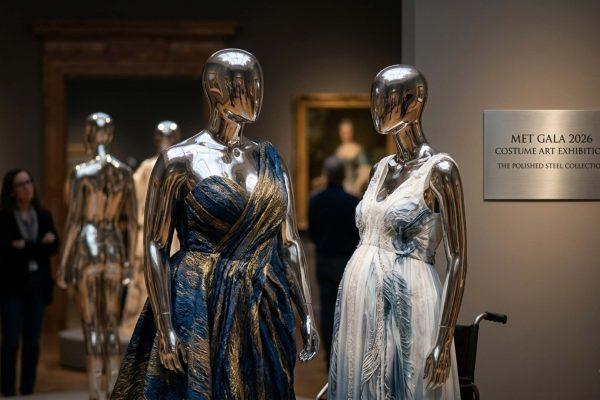
When the red carpet rolls out for the 2026 Met Gala on May 4, something more than celebrity glamour will be on display. The Costume Institute at the Metropolitan Museum of Art is launching Costume Art, an exhibition that replaces the museum's long-standing size-2 mannequins with 25 polished steel figures modeled after real, diverse bodies. For a bicultural Latino audience that knows firsthand how fashion often overlooks our shapes and stories, this shift feels personal.
Real Bodies, Real Stories
The curatorial team worked with nine real models to create 18 of these mannequins, while the remaining seven represent specific physical forms—including a pregnant body. Among the inspirations are disability activist Sinéad Burke and athlete Aimee Mullins, but the collection also nods to Latinx athletes and activists who challenge conventional beauty standards. Each figure is coated in mirror-finish steel, allowing visitors to see their own reflection as they view the haute couture pieces. It's a deliberate move to make the museum experience more inclusive, especially for communities like ours that have often been invisible in high-fashion spaces.
Andrew Bolton, the show's curator, explained that traditional museum mannequins have long perpetuated a narrow, standardized image of thinness. Costume Art challenges that history by featuring over 200 pieces from designers like Maria Grazia Chiuri and Karoline Vitto, adapted for sections titled Reclaimed Body and Full Figured Body. This isn't just about displaying clothes; it's about reconsidering how fashion design relates to the people who wear them.
Elite Backing and a Lasting Legacy
The exhibition's significance is underscored by its co-hosts: Beyoncé, Nicole Kidman, and Venus Williams join Anna Wintour for the opening. But beyond the gala's sparkle, the real impact lies in the permanent legacy. Once Costume Art concludes on May 10, the mannequins will enter the MET's permanent collection, ensuring that body diversity remains a structural part of the museum's future exhibitions. This decision resonates deeply in a world where Latinx bodies—from the curves of a Karol G concert to the athletic builds of Latino quarterbacks—are often stereotyped or erased.
The museum has also trained staff, with help from collaborators like Sinéad Burke, to ensure inclusive practices guide every visitor's experience. This isn't just about exhibiting dresses; it's about updating the institution's relationship with the public. By allowing everyone to see themselves reflected in the showcases, the MET sends a powerful message about visibility and authenticity.
For Latinos across the Americas and the diaspora, this moment echoes broader cultural shifts. Just as Ashley Padilla redefines Latina comedy on SNL, the Met Gala is redefining who gets to be seen in the world's most prestigious fashion halls. Costume Art opens a new era where fashion honors all forms of human existence—and that's a story worth celebrating.