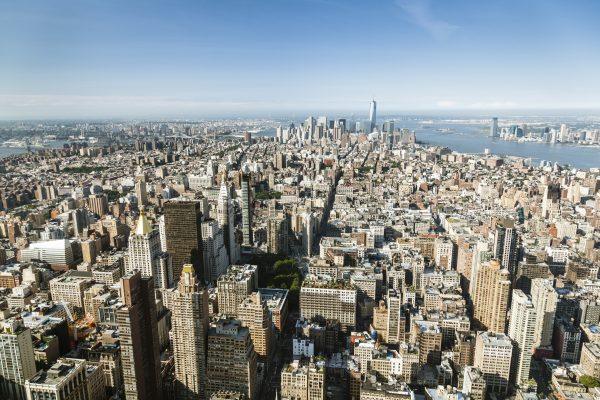
For the first time in New York City's history, the average rent in Manhattan has crossed the $5,000 threshold, landing at $5,099 a month. This milestone, reported by major real estate firms at the end of April, represents a 6% increase year-over-year and underscores a deepening housing crisis that is hitting Latino and working-class tenants especially hard.
The numbers tell a stark story. Inventory of available apartments has plunged 25% compared to last year, with only 4,766 units listed across the entire borough. The vacancy rate is now at its lowest point in four years, creating a perfect storm of aggressive demand and record-low supply. According to Gary Malin, chief operating officer of Corcoran, the imbalance is structural: the island simply cannot absorb the influx of new residents and the corporate recovery that has brought workers back to offices.
For families, the pressure is most acute. Two-bedroom apartments now average $5,228 a month, while three-bedroom units have skyrocketed to $8,338. With only 30% of New Yorkers owning their homes, the vast majority are renters vulnerable to market swings. The ripple effect is already being felt in neighboring boroughs like Brooklyn, where rents have remained at saturation levels since 2021, averaging $4,110 monthly—a slight but insufficient relief.
Latino Tenants on the Front Lines
Latino communities across the city are bearing the brunt of this crisis. In neighborhoods like Washington Heights, the Bronx, and parts of Brooklyn, where many Latino families have lived for generations, the rising costs are forcing tough decisions. Some are doubling up with relatives, others are moving farther out to places like the Hudson Valley or New Jersey, and many are simply struggling to keep up with rent increases that outpace wage growth.
The situation has put housing at the center of the agenda for newly elected Mayor Zohran Mamdani, who has declared the city's finances in a critical state. His administration is exploring price intervention measures, including a preliminary range of increases for rent-stabilized apartments proposed by the Rent Guidelines Board. The caps range from 0% to 2% for one-year leases, but tenant unions are demanding a total freeze ahead of public hearings scheduled for June 25. Landlords, meanwhile, argue that maintenance costs and property taxes are also at historic highs, leaving the market in a tense standoff.
For Latino tenants, the stakes are existential. Many work in essential jobs—as home health aides, restaurant workers, delivery drivers—that pay far less than what Manhattan rents now demand. The New York Rent Freeze debate is not just a policy discussion; it's a lifeline for families who fear displacement. As the city weighs its options, the outcome will determine whether Latino communities can remain in the neighborhoods they helped build.
Beyond Manhattan, the crisis is reshaping the entire metropolitan area. The looming rent hike for 2026 has already sparked anxiety among tenants who see no end to the upward trend. Meanwhile, initiatives like free broadband for families in the Bronx and Upper Manhattan offer some relief, but they cannot offset the core problem of unaffordable housing.
As the city's real estate market enters this new era, one thing is clear: the dream of living in New York is becoming increasingly out of reach for the people who keep it running. For Latino tenants, the fight for fair housing is not just about economics—it's about preserving a place in a city that has always been a gateway for immigrants and their families.