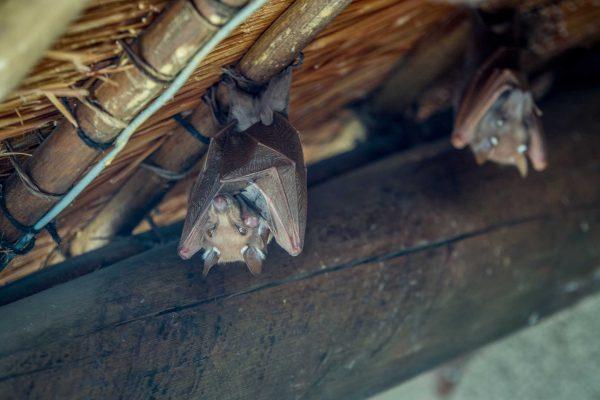
Los Angeles County is facing a troubling milestone: 69 bats have tested positive for rabies so far this year, tying the record set in 2025. The Department of Public Health has issued a community-wide alert, urging residents to stay vigilant as the season of peak bat activity continues.
Where the risk is highest
Health officials have mapped the cases and found a clear hotspot: 68% of the rabid bats were located in the Santa Clarita Valley, where canyon bats are common. But the danger isn't confined to one area. Confirmed cases have also turned up in the San Fernando Valley, public parks, office buildings, schools, and residential yards across Los Angeles.
What worries experts most is that nearly one-third of encounters with bats happen inside homes. That means families are coming into contact with these animals in their own bedrooms, living rooms, and garages. Because bat bites are tiny and often painless, they can go unnoticed, leaving people unaware they've been exposed.
Dr. Muntu Davis, a county health officer, reminds residents that while bats play an important ecological role, they can carry a disease that is almost always fatal once symptoms appear. "Rabies is a serious risk, but it's preventable if you take the right steps," he said in a statement.
What to do if you find a bat
The golden rule, according to experts, is simple: never touch a bat. If you see one during the day, or if it appears sick, unable to fly, or is dead, report it immediately to local animal control or the health department. These are signs it could be rabid.
If you wake up to find a bat in your bedroom, or if someone slept in a room where a bat was present, assume there was potential exposure. Seek medical attention right away to receive the rabies vaccine, which is highly effective when given promptly.
To keep bats out of your home, health officials recommend sealing any openings larger than a quarter-inch, installing sturdy wire mesh on vents, and ensuring your pets' rabies vaccinations are up to date. These simple steps can make a big difference.
The recent spike in rabid bats is part of a broader trend that has worried health experts for over a decade. August alone saw 24 confirmed cases, the highest monthly total this year. While the numbers are concerning, officials stress that public awareness and quick action are the best defenses.
For more on how Los Angeles is handling public health challenges, you can read about West Nile virus cases in the county and a recent measles exposure warning. And if you're a renter, you might also be interested in how rising costs are affecting tenants.
As the county continues to monitor the situation, residents are encouraged to stay informed and take precautions. Rabies is a serious threat, but with the right knowledge, you can protect yourself and your family.