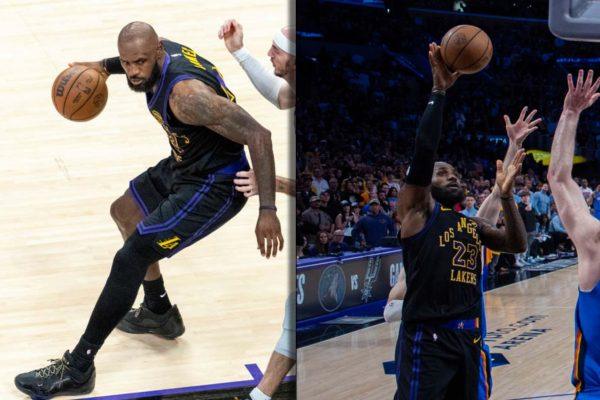
LeBron James, now in his 24th NBA season with the Philadelphia 76ers, has once again found himself at the center of a heated debate—this time over a new business venture. The veteran forward recently unveiled an exclusive commercial partnership with Polymarket, a prediction market platform where users bet on the outcomes of future events. The announcement, which included a promotional video shot at Polymarket's headquarters and focused on soccer-related initiatives, quickly drew sharp criticism from fans across social media.
Fan backlash and the regulatory landscape
While the partnership does not violate current NBA guidelines on sports betting endorsements, the public reaction has been overwhelmingly negative. Many basketball enthusiasts took to platforms like X (formerly Twitter) and Instagram to express their disappointment, arguing that a player of James' stature—with an estimated net worth of $1.4 billion—should not be promoting gambling to younger audiences. Some went further, calling on the league to impose suspensions, highlighting the growing tension between professional sports and the rapid expansion of betting platforms.
The controversy comes at a time when the NBA has embraced sports betting partnerships, but the line between acceptable endorsements and outright gambling promotion remains blurry. For many Latino fans, who make up a significant portion of the league's global audience, the issue hits close to home. In countries like México, Puerto Rico, and the Dominican Republic, sports betting has become increasingly accessible, raising concerns about its impact on vulnerable communities.
From DraftKings to Polymarket: a shifting strategy
This new alliance follows the expiration of James' previous partnership with DraftKings, a sports betting giant. Polymarket, which operates in a more niche space of prediction markets, has been actively recruiting high-profile athletes to expand its reach. Tennis legend Maria Sharapova has already joined as an ambassador, and NBA star Giannis Antetokounmpo recently acquired equity in a competing platform. These moves signal a broader trend of athletes leveraging their influence to enter the lucrative world of prediction markets.
For James, this is just the latest addition to an already impressive business portfolio. He made history as the first active NBA player to become a billionaire, with earnings from his playing contracts supplemented by lucrative endorsement deals, including a lifetime partnership with Nike. His investments span a wide range of industries, from a stake in Fenway Sports Group to early bets on companies like Beats by Dre, Lyft, Tonal, and Blaze Pizza. As reports of his financial maneuvers continue to surface, it's clear that James is as savvy off the court as he is on it.
The backlash, however, raises important questions about the responsibility of athletes with massive platforms. While James has used his influence to advocate for social justice and education, critics argue that promoting betting platforms undermines those efforts. The NBA, for its part, has yet to comment on the partnership, but the league's stance on sports betting has evolved significantly since the Supreme Court lifted the federal ban in 2018.
For now, James remains focused on his season with the 76ers, but the controversy is unlikely to fade quickly. As the lines between sports, entertainment, and gambling continue to blur, fans and regulators alike will be watching closely. Whether this partnership will have lasting consequences for James' legacy or the NBA's relationship with betting remains to be seen.
In the meantime, the debate serves as a reminder that even the most celebrated athletes are not immune to scrutiny. For Latino fans who have followed James' career from his early days in Akron to his current stint in Philadelphia, the question is whether this move aligns with the values they admire in him. Only time will tell.