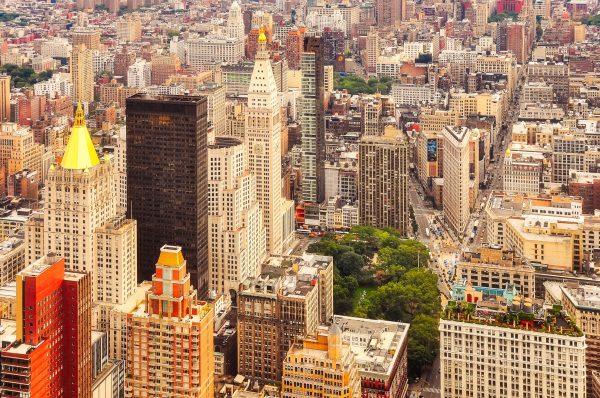
For many New Yorkers, the dream of living in Manhattan on a modest income has felt increasingly out of reach. But a new affordable housing lottery through the NYC Housing Connect platform is offering a rare opportunity: 51 modern apartments at the Willow Tree residence, located at 222 East 45th Street in Midtown East, with monthly rents starting under $1,200.
This newly built 130-unit building has set aside these apartments under a rent-protected program, a move that echoes the city's older rent-stabilization efforts. For Latino families and individuals who have long been priced out of neighborhoods like Washington Heights, El Barrio, or even parts of Brooklyn, this lottery represents a chance to secure a home in one of the most dynamic—and expensive—boroughs without sacrificing financial stability.
Who Can Apply?
The lottery is open to one- and two-person households with a combined annual income between $42,275 and $77,760. That range is designed to serve moderate-income earners, including many service workers, artists, and young professionals who make up the fabric of Latino communities across the city.
Selected tenants will pay rent that includes heating and water, though electricity is billed separately. The apartments come with modern finishes: kitchens with high-end countertops, integrated air conditioning, and thoughtful layouts that prioritize comfort.
This initiative arrives at a time when the broader housing market continues to squeeze renters. As homeownership slips away for many Latino families, programs like this offer a lifeline—but they also highlight how much more is needed to address the affordability crisis.
More Than Just a Roof
The Willow Tree isn't your typical rent-regulated building. Residents will have access to elevators, a shared laundry room, a community room for social gatherings, and an outdoor terrace. These amenities are a far cry from the often-neglected conditions of older rent-stabilized units, and they reflect a growing trend: developers incorporating affordable units into luxury-style buildings as part of the city's inclusionary housing policies.
For Latino New Yorkers, many of whom have deep roots in neighborhoods like the Lower East Side or Williamsburg—now heavily gentrified—this building offers a foothold in a part of the city that has become almost exclusively high-income. It's a reminder that urban planning can still produce accessible spaces, even in the most coveted zip codes.
Applications are being accepted through the NYC Housing Connect portal. Given the high demand for affordable housing in Manhattan, interested renters should apply promptly. The lottery system is random, but meeting the income requirements and submitting a complete application is essential.
This story is part of a larger conversation about housing equity. As prices fluctuate in Florida and other markets, the struggle for stable, affordable housing remains a central issue for Latino communities across the United States.