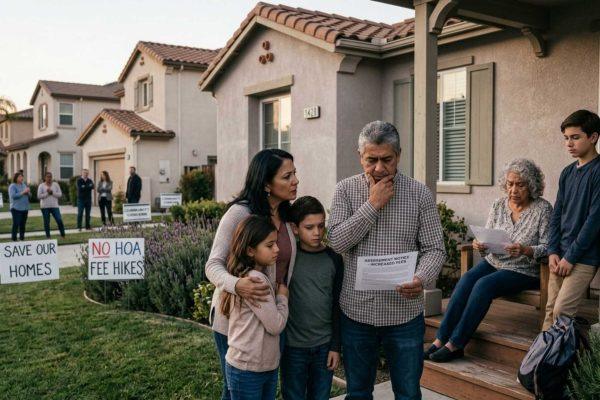
In the quiet, planned community of Ladera Ranch, California, a growing sense of unease has taken root. Families here are grappling with a disturbing reality: a rare childhood cancer, Ewing's sarcoma, has appeared in their neighborhood with alarming frequency. Over the past several years, residents have watched as multiple children received the same devastating diagnosis, sparking a grassroots movement to uncover why.
Ewing's sarcoma is a rare type of cancer that typically forms in the bones or soft tissues. It accounts for about 1% of all childhood cancers, with roughly 200 new cases diagnosed each year in the United States among children and adolescents. The disease often strikes during the teenage years, targeting the long bones of the legs, pelvis, ribs, or arms. Symptoms can be subtle—persistent pain, swelling, fever, fatigue—and are frequently mistaken for sports injuries, which can delay crucial treatment.
For the families of Ladera Ranch, the emotional toll has been immense. Community members have organized meetings, shared information on early warning signs, and built support networks to help parents navigate the complex medical landscape. They have also begun tracking cases on their own, documenting diagnoses that span from 2007 to 2024, with at least one new case reported every year since 2021. While health officials caution that these independent tallies lack formal verification, they have prompted a closer look at the neighborhood's environmental history.
Community-led tracking and environmental concerns
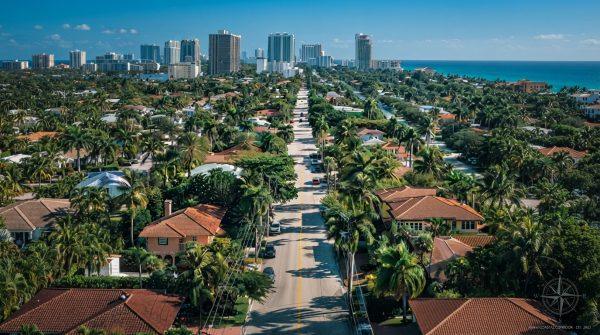
Ladera Ranch is a master-planned community designed for about 26,000 residents, with parks, sports fields, and family-friendly amenities. But beneath the manicured lawns and playgrounds, residents worry about what might be lurking. They have raised questions about historical agricultural practices, pesticide use, drinking water quality, and even the presence of abandoned oil wells in the area. These concerns have led to demands for comprehensive environmental testing.
In response, local health authorities have launched epidemiological investigations, reviewing disease registries and assessing cancer rates in the community. The California Department of Public Health has been involved, as have federal agencies. U.S. Representative Bilal Essayli has formally requested that the Environmental Protection Agency analyze potential environmental drivers, though experts stress that establishing a definitive link between environmental factors and cancer is a complex, years-long process.
Preliminary findings from soil and water samples collected at public parks have not revealed immediate hazards, but the investigation is ongoing. Health officials emphasize that they are committed to transparency and to providing residents with accurate, verified information to prevent misinformation from spreading.
For the Latino families in Ladera Ranch—and across Orange County—this issue resonates deeply. Cancer does not discriminate, but access to information and resources can vary. Community advocates are pushing for increased funding for pediatric cancer research and environmental monitoring, as well as for better support services for affected households.
As the investigation continues, the families of Ladera Ranch remain vigilant. They are not waiting passively for answers; they are organizing, advocating, and supporting one another. Their determination reflects a broader truth: when it comes to the health of our children, no question is too difficult to ask, and no stone should be left unturned.
For those seeking guidance on early symptom recognition or specialist referrals, local medical centers have established dedicated support networks. And as the community awaits more definitive answers, the resolve of these families serves as a powerful reminder of the strength found in unity.