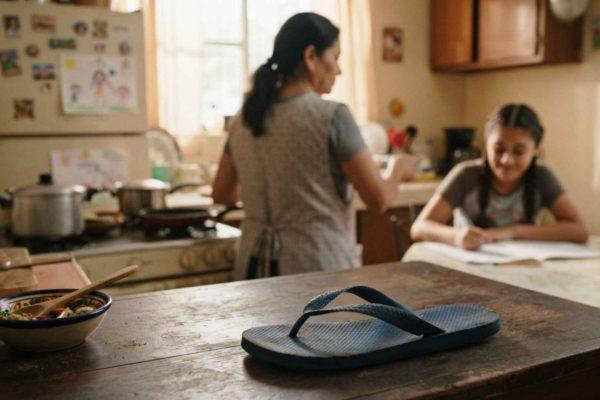
For generations of Latino children, the mere sight of a chancla—a well-worn flip-flop—was enough to inspire immediate obedience. It was the ultimate tool of maternal authority, wielded with precision and a look that could silence any protest. This humble object, often found near the back door or under the sofa, carried a weight far beyond its rubber sole.
Today, la chancla has evolved from a household implement into a powerful cultural emblem, celebrated in memes, music, and even blockbuster cinema. Its journey from the kitchens of Latin America to the global stage is a testament to the enduring influence of Latina mothers and the shared experiences of the Latino diaspora.
From Discipline to Digital Fame
The chancla's reputation as a disciplinary tool is rooted in the lived experiences of millions. In many Latino households, a mother's swift aim and the unmistakable sound of a flip-flop hitting the floor were enough to correct any misstep. While experts like the American Psychological Association caution against physical discipline, the chancla has become a source of humor and nostalgia, a way for Latinos to bond over shared childhood memories.
This cultural resonance has not gone unnoticed by entertainers. Pop stars like Camila Cabello and comedian Lele Pons have paid homage to the chancla in their work. In the music video for Cabello's song "Havana," the two playfully reenact a scene where a grandmother threatens them with a chancla, capturing the universal fear and affection associated with the object.
Mexican YouTuber La Bala has also tapped into this nostalgia, creating content that humorously depicts the panic of facing a Latina mother after a bad report card. These portrayals have helped cement the chancla's place in digital culture, making it a relatable touchstone for Latinos across the Americas and beyond.
A Star on the Silver Screen
The chancla's latest milestone comes courtesy of actress Adria Arjona, who has embraced the object as a promotional tool for her upcoming film Onslaught, directed by Adam Wingard. In a social media video, Arjona jokingly suggests that a chancla would be her weapon of choice against the film's supersoldiers, a nod to its legendary status in Latino households.
This clever marketing move not only highlights Arjona's Puerto Rican heritage but also connects the film to a broader cultural conversation. It is a recognition that la chancla is more than just a flip-flop; it is a symbol of resilience, humor, and the fierce love of Latina mothers.
As the film prepares for its September 4 release, Arjona's playful homage has sparked excitement among Latino audiences, who see their own family stories reflected on the big screen. It is a reminder that our cultural touchstones, no matter how humble, can find a place in the spotlight.
The chancla's journey is far from over. It continues to appear in new contexts, from Disney's Coco to viral videos, ensuring that its legacy endures. For many, it remains a symbol of the tough love that shaped them, a reminder of the strength and dedication of Latina mothers everywhere.
As we celebrate this iconic object, we also honor the women who wielded it—not with malice, but with the intention of raising resilient, respectful children. La chancla is a testament to their enduring influence, a cultural treasure that transcends borders and generations.