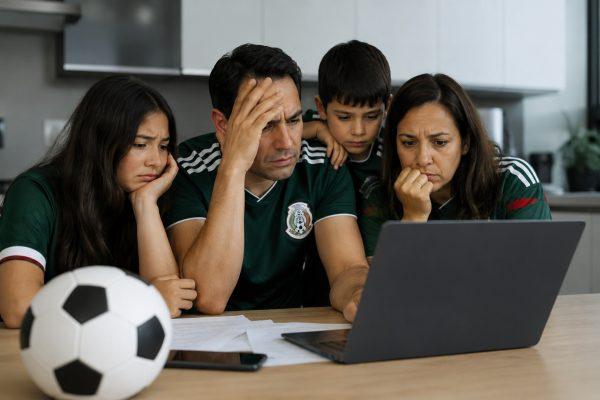
For the first time in World Cup history, the 2026 tournament features a round of 32, expanding the knockout phase and raising new questions about how ties are broken. When a match in this stage ends level after 90 minutes, FIFA's regulations are clear: two 15-minute halves of extra time are played. If the score remains tied after that, a penalty shootout decides which team advances.
This format applies uniformly from the round of 32 all the way to the final. It's a high-stakes test of endurance and nerve, especially for Latin American teams that often rely on technical skill and composure under pressure. For fans across the Americas, understanding these rules is key to following the drama.
Extra Time: A Physical and Mental Battle
Extra time in the 2026 World Cup is not just about fitness—it's about strategy. Coaches must decide whether to push for a goal or prepare for penalties. Players from countries like Argentina, Brazil, and Mexico have historically thrived in these moments, using their creativity and resilience to break down opponents. The 2026 edition, co-hosted by the United States, Canada, and Mexico, adds a unique layer: matches in cities like Houston, Mexico City, and New York will test teams in diverse climates and altitudes.
For example, Brazil vs. Japan in Houston could be a round of 32 clash where extra time becomes a showcase of samba flair against disciplined tactics. Similarly, Mexico's knockout road might see El Tri playing in front of passionate crowds that fuel their fight.
Penalties: The Ultimate Decider
If extra time fails to produce a winner, the penalty shootout becomes the most tense moment of the tournament. It's a test of individual nerve and preparation. Latin American goalkeepers, known for their agility and showmanship, often become heroes in these situations. Think of key saves that have defined World Cup history, from Mexico's Jorge Campos to Argentina's Emiliano Martínez.
The 2026 World Cup's expanded format means more teams from the region have a shot at glory. Latin American teams face high stakes in the round of 16, and penalty shootouts could determine who advances. For the USMNT, breaking their knockout stage curse might come down to spot kicks, as explored in this analysis.
Fans should also note that the rules are the same for every knockout match, from the round of 32 to the final. No golden goal or other tiebreakers are used—just extra time and penalties. This clarity helps avoid confusion, especially for casual viewers tuning in from the Latino community in the United States.
As the tournament progresses, expect dramatic shootouts that will be talked about for years. Whether it's a South American powerhouse or a surprise team from the Caribbean, the 2026 World Cup promises unforgettable moments from the penalty spot.