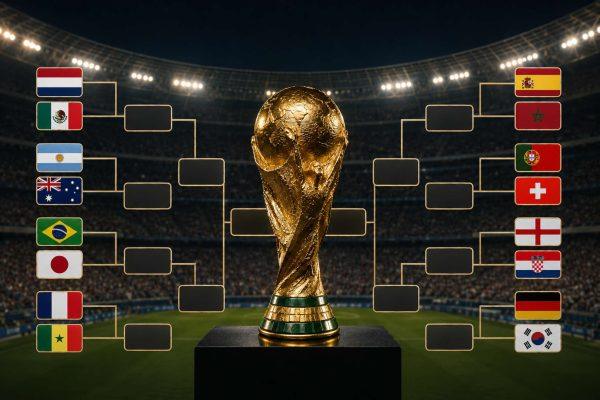
The 2026 FIFA World Cup has officially entered its most intense phase. With the group stage complete, the Round of 16 bracket is set, and the road to the final in New York/New Jersey is now clear. For Latin American fans, this is where the tournament truly comes alive—where every pass, tackle, and goal carries the weight of a continent's hopes.
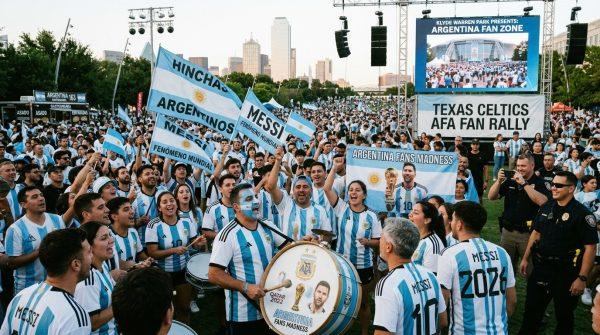
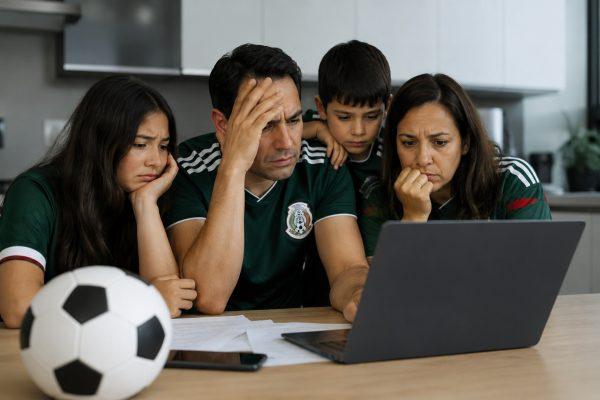
Co-host Mexico secured its spot after a gritty group performance, proving once again that El Tri knows how to rise under pressure. Meanwhile, defending champions Argentina advanced with the kind of clinical efficiency that made them world champions in 2022. Colombia, fresh off a strong showing in qualifying, also punched their ticket, bringing their trademark flair and resilience to the knockout stage.
Latin America's Knockout Path
Mexico faces a tough test in the Round of 16, matched against a disciplined European side that will challenge their defensive organization. Argentina, led by Lionel Messi's final World Cup campaign, will look to navigate a bracket that includes traditional powerhouses like Brazil, Germany, and France. Colombia, with their dynamic attack and solid midfield, could be the dark horse that disrupts the favorites' plans.
Beyond the big names, the tournament has also seen the rise of teams like Morocco and Japan, who impressed in the group stage and now aim to upset the established order. For Latin American squads, this means no match can be taken lightly—every opponent brings a unique tactical challenge.
Host Cities and Fan Energy
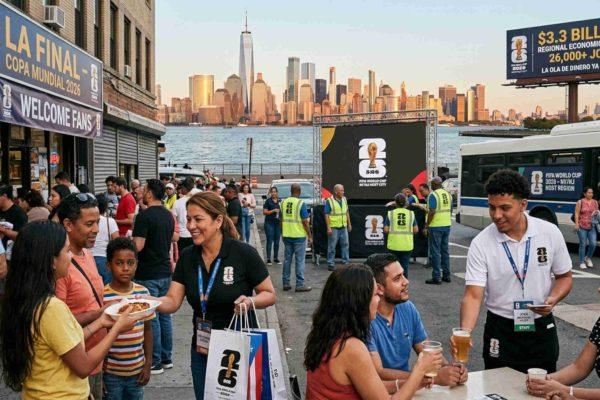
The Round of 16 matches will be played across state-of-the-art stadiums in the United States, Mexico, and Canada. Mexico City's Estadio Azteca, a cathedral of football, will host one of the most anticipated fixtures, drawing massive crowds of passionate fans. In the U.S., cities like Los Angeles, Houston, and Miami are preparing for an influx of international supporters, with fan zones and cultural events turning each match into a celebration of global football.
For Latino fans in the diaspora, this World Cup feels especially close to home. The tournament's North American footprint means that communities from Chicago to Buenos Aires can follow their teams with unprecedented access. Merlin the Duck, Mexico City's unofficial World Cup mascot, has already won hearts, embodying the playful spirit that defines Latin American football culture.
What It Takes to Win
As the bracket tightens, the margin for error shrinks to zero. Defensive solidity, midfield control, and finishing efficiency will separate the contenders from the pretenders. Argentina's experience in high-pressure games gives them an edge, but Mexico's home-field advantage and Colombia's unpredictability make them dangerous opponents for any team.
Off the pitch, the cultural impact of this World Cup is already being felt. Karol G's Reebok sneakers have become the unofficial footwear of the tournament, blending music and sport in a way that only Latin America can. Meanwhile, top international friendlies ahead of the World Cup have set the stage for these knockout clashes, giving fans a taste of what's to come.
The next few weeks will determine which nation lifts the trophy. For Latin America, the dream is alive—and the journey is just beginning.