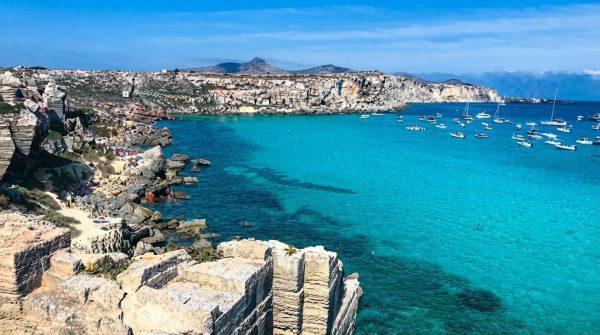
When Christopher Nolan picked the small Sicilian island of Favignana to bring Homer's Ithaca to life in his upcoming epic The Odyssey, he may have also rewritten the island's future. Local officials, hoteliers, and residents are bracing for a wave of international attention that could transform this quiet corner of the Mediterranean into a must-visit destination.
Favignana, part of the Egadi Islands off the coast of Trapani, has long been a hidden gem for Italians seeking crystal-clear waters and slow-paced days. But with Nolan's star-studded adaptation—featuring Matt Damon, Zendaya, and others—the island is stepping into a global spotlight. The production's choice to film here has already sparked a surge in travel interest, particularly from U.S. audiences, according to local tourism experts.
A Cinematic Boost for a Small Island
Giacomo Incarbona, president of the local hotel association, says the buzz is palpable. "Expectations are very high among our entrepreneurs," he told local media. "This is a once-in-a-generation opportunity to put Favignana on the map." Indeed, hotel bookings are already climbing, and investors are eyeing upgrades to meet international standards.
The economic ripple effect is significant. Analysts compare the exposure to a multimillion-dollar advertising campaign—one that no government tourism board could afford. For a municipality with a population of just over 4,000, the stakes are enormous. Mayor Giuseppe Pagoto acknowledges the challenge: "Our priority is to manage this growth sustainably, protecting our coastline and our way of life."
The island's identity is deeply tied to its environment. Bicycles are the primary mode of transport, and residents are determined to keep it that way. New eco-friendly routes are being designed to spread visitor traffic away from the most fragile coves. "We don't want to become a theme park," says a local guide. "We want visitors to experience the real Favignana."
This balancing act—between welcoming the world and preserving what makes the island special—is a familiar story for many communities across the Mediterranean. But for Latinos, there's a parallel in how our own coastal towns and islands have navigated the pressures of tourism. From Tulum to Cartagena, the challenge of maintaining cultural authenticity while courting global visitors is one we know well.
The municipal government is already investing in infrastructure: paving rural roads, expanding public lighting, and upgrading sanitation services. A cultural exhibition is planned inside an old tuna processing plant, offering visitors a glimpse into the island's maritime heritage. These efforts aim to extend the tourist season beyond the summer months and attract a more thoughtful traveler.
Connectivity is also improving. Daily hydrofoils and ferries from Trapani make the island accessible, and travel agencies recommend booking months ahead. The local cuisine—fresh tuna, bottarga, and busiate pasta—is a draw in itself, and restaurants are preparing for a more diverse clientele.
Nolan's choice of Favignana is no accident. The island's rugged beauty and unspoiled landscapes evoke the ancient world, and its quiet charm is exactly what the director sought for Ithaca. As the film's release approaches, the world will soon see what locals have always known: Favignana is a place of timeless allure.
For now, the island is in a delicate moment. The promise of economic growth is real, but so is the risk of losing what makes it special. As Mayor Pagoto puts it, "We want to share our home, not sell it." With careful planning and community involvement, Favignana might just pull off the same feat as Odysseus: navigating a transformative journey without losing its soul.
For those inspired to visit, the island offers a chance to walk in the footsteps of heroes—both ancient and cinematic. And for Latinos, it's a reminder that our own stories, like those of the Mediterranean, are worth preserving even as they evolve.