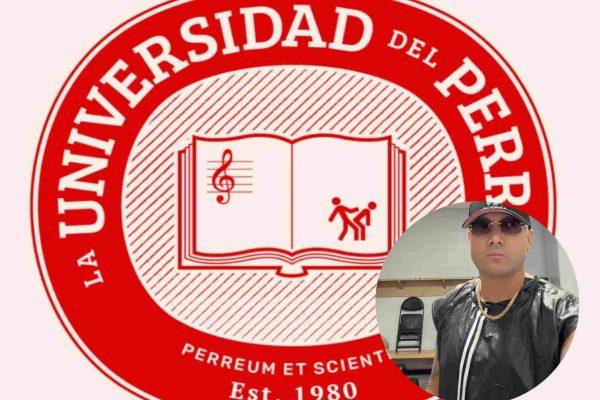
Puerto Rican reggaeton pioneer Wisin, known across the industry as El Sobreviviente, has announced the creation of the Universidad del Perreo, a digital platform dedicated to the study, preservation, and celebration of reggaeton's cultural legacy. After more than three decades shaping the genre from the streets of San Juan to stadiums worldwide, Wisin is taking on a new role: institutional guardian of the movement's history.
The Universidad del Perreo already has an official website, where a mysterious 15-day countdown has the Latin music community buzzing. While details about curriculum and programming remain under wraps, the project signals a deliberate effort to give reggaeton the academic and cultural recognition it has long deserved.
From censored rhythm to global phenomenon
Reggaeton's journey has been anything but smooth. In its early days, the genre faced censorship across Puerto Rico and other Latin American countries, with authorities and critics dismissing it as vulgar or fleeting. Yet it persisted, evolving from underground cassette tapes to dominating global charts. Wisin, who rose to fame as part of the duo Wisin & Yandel, has witnessed this transformation firsthand.
“This is about honoring where we come from and making sure the next generation understands the roots of this music,” Wisin said in a statement shared on social media. The Universidad del Perreo aims to be more than a nostalgic archive; it's positioned as a living institution that will document the genre's evolution, its key figures, and its impact on Latin identity across the Americas and the diaspora.
The initiative has already sparked creative responses from fans. One viral comment proposed a humorous course list inspired by Wisin's own discography: “History I: De Nuevos a Viejos; Geography: Pa’l Mundo; Astronomy: Los Extraterrestres; Contemporary History: La Revolución; Administration and Leadership: Líderes; Physical Education I: Rakata; Physical Education II: Sexy Movimiento; Psychology: Me Estás Tentando; Communication: El Teléfono; Observation Techniques: Mírala Bien; Time Management: Ahora Es; Practical Workshop: Pam Pam; Final Thesis: La Última Misión.”
This playful engagement reflects the deep connection fans feel to the music and its history. For many, reggaeton is not just a genre but a soundtrack to their lives, from backyard parties in San Juan to clubs in México City and New York.
A cultural milestone for Latin music
The Universidad del Perreo arrives at a moment when Latin music is enjoying unprecedented global visibility. Artists like Karol G, Bad Bunny, and Rosalía have pushed reggaeton and its influences into the mainstream, but the genre's foundational stories often remain untold. Wisin's project seeks to change that by creating a dedicated space for research and education.
This move also aligns with a broader trend of preserving Latin cultural heritage. Similar efforts have emerged across the United States, such as a recent New Jersey exhibit tracing 250 years of Latino impact, highlighting the importance of documenting our contributions. The Universidad del Perreo adds a musical dimension to this cultural preservation movement.
Wisin's announcement has been met with enthusiasm from peers and fans alike. The project's website, with its countdown, suggests that more revelations are on the way. Whether it will offer online courses, archival materials, or live events remains to be seen, but the ambition is clear: to elevate reggaeton from a party soundtrack to a subject of serious study.
For Wisin, this is a natural next step in a career that has always balanced commercial success with cultural pride. As he once told Billboard, “We are the voice of the people, and we have to respect that.” The Universidad del Perreo is his latest testament to that belief.
As the countdown ticks down, the Latin music world watches with anticipation. The Universidad del Perreo could become a landmark institution, not just for reggaeton but for the recognition of urban Latin music as a vital part of our shared heritage.