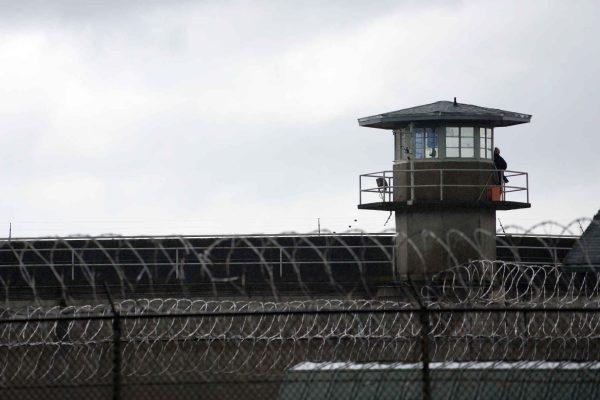
An administrative mix-up at a Florida immigration detention center over the weekend led to the accidental release of two detainees, prompting a swift response from state authorities. The incident occurred at the facility known as the Deportation Depot, located in Sanderson, about 40 miles west of Jacksonville. According to state spokesperson Stephanie Hartmann, a processing error during bail paperwork allowed the two individuals to walk out of the building before they could be transferred to Immigration and Customs Enforcement (ICE) custody.
Hartmann confirmed that officers from the Florida Division of Emergency Management quickly located both individuals and returned them to the detention center. She emphasized that internal reviews are underway to ensure accountability and prevent similar lapses in the future. The facility currently houses nearly 1,000 people, and the incident has raised concerns about security protocols at privately run immigration detention centers.
Private contracts and oversight
The Deportation Depot operates under a contract worth up to $101 million, managed by GEO|CDR BAKER, a joint venture between The GEO Group and CDR Health Care. The state pays nearly $32 million annually for correctional officers, administrative staff, and medical services. The facility occupies the former Baker Correctional Institution and serves as a key hub for detaining undocumented immigrants, with authorities collaborating to hold nearly 28,000 people across the state.
This incident comes amid intense scrutiny of private detention facilities and their role in immigration enforcement. Critics have long pointed to the lack of transparency and accountability in these operations, and this accidental release is likely to fuel further debate. The state has promised a thorough review, but the incident underscores the challenges of managing such facilities under pressure.
Budget woes and emergency response
The Florida Division of Emergency Management, which oversees the detention center, is also grappling with significant financial challenges. The agency is facing a potential deficit of up to $1.5 billion in its emergency fund, partly due to delays in federal grant disbursements. This financial strain complicates its dual role of managing both immigration detention and natural disaster response, such as the recent Hurricane Isaias, which left nearly 450,000 homes without power in the Panhandle.
The agency's budget woes have raised questions about its ability to maintain security and respond to emergencies effectively. As Florida continues to face both hurricane seasons and immigration enforcement demands, the pressure on state agencies is mounting. The accidental release at the Deportation Depot is a stark reminder of the consequences of underfunding and overstretched resources.
For the Latino community, this incident highlights the broader issues surrounding immigration detention and the treatment of undocumented immigrants. Many families in Florida and across the diaspora have loved ones who have been detained or deported, and stories like this underscore the human impact of these policies. The state's response will be closely watched, not only for its handling of this specific case but also for what it signals about the future of immigration enforcement in the region.
As the investigation continues, officials have assured the public that both detainees are back in custody and that measures are being taken to prevent future mistakes. However, the incident has already sparked calls for greater oversight and accountability in the private prison industry. For now, the focus remains on ensuring that such errors do not happen again, and that the rights of all individuals in detention are respected.