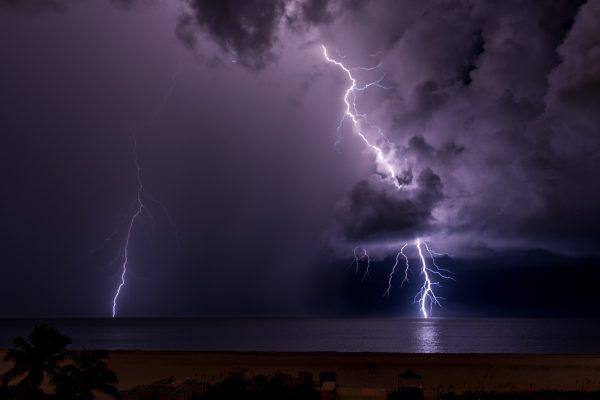
When electrical storms roll in over a World Cup stadium, the beautiful game stops—and for good reason. FIFA has developed a rigorous set of safety guidelines designed to protect everyone inside the venue, from players warming up on the pitch to fans filling the stands. These rules are not suggestions; they are mandatory for all international tournaments, and they apply equally whether you're in Buenos Aires, Mexico City, or Houston.
The core of the protocol revolves around a simple but strict principle: no one enters or remains on the field if lightning is detected within an 8-mile radius of the stadium. This perimeter is monitored using specialized tracking software that detects cloud-to-ground strikes. If a strike is recorded inside that zone before gates open, the stadium remains locked. Fans, staff, and even the teams must stay in designated lightning-protected areas until the danger clears.
The 30-Minute Reset Rule
Once a match is underway, the head referee has the authority to suspend play immediately if a storm develops. Players are directed to locker rooms, and the stadium screens display safety instructions. But the match cannot resume until a full 30 minutes pass without a single lightning discharge within that 8-mile exclusion zone. And here's the catch: every subsequent strike resets that clock to zero. This means a storm that lingers can delay a match for hours, as seen during recent tournaments where fans waited out weather delays in concourses and parking lots.
The 8-mile perimeter might seem generous, but it's grounded in atmospheric physics. Lightning bolts can strike more than ten miles away from the rain core of a storm, and stadiums are particularly vulnerable to secondary effects like ground currents—where electrical energy travels through the soil—and side flashes from conductive metals. In a packed stadium, these factors can cause severe injuries or trigger dangerous crowd panics. FIFA's approach aligns with guidelines from agencies like the U.S. National Weather Service, emphasizing that while an individual's odds of being struck are low, the collective risk in a large gathering is significant.
For Latino fans, this protocol has real-world implications. The 2026 World Cup will feature matches across North America, including in cities like Mexico City, Guadalajara, and Monterrey, where summer thunderstorms are common. Latin American teams face high-stakes matchups that could be disrupted by weather, and fans should know what to expect. Similarly, at venues like Houston's NRG Stadium, where fans were outraged over $27 hot dog and beer combos, weather delays add another layer of frustration—but safety comes first.
The protocol also coordinates with national weather agencies to ensure real-time data and consistent messaging. FIFA's risk management strategy is clear: delaying a match to meet safety parameters is the only acceptable course of action. No broadcast schedule or commercial operation is worth risking lives. For a sport that thrives on passion and unpredictability, this is one area where there's no room for improvisation.