When the 2026 FIFA World Cup brought the Canada vs. Morocco round of 16 match to Houston's NRG Stadium, fans expected top-tier soccer. What they didn't expect was a $27 hot dog and beer combo that would spark a firestorm on social media.
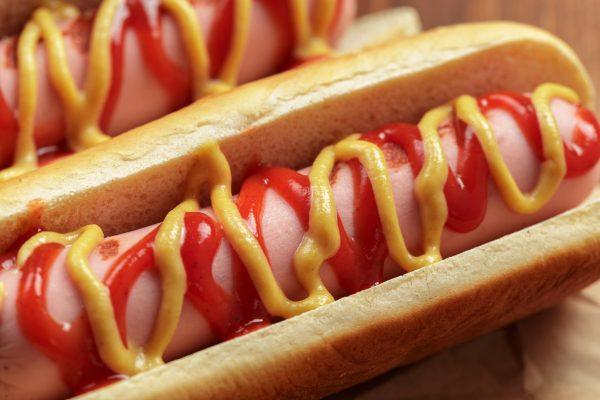
The image, posted by the popular British account 'Footy Scran' during the match, showed a standard hot dog paired with a routine beer. The price tag: $27, or roughly £20.20. For many international fans, especially those from Europe and Latin America, this was a shock to the system.
Viral Backlash and Cultural Divide
The post quickly went viral, with fans from around the world expressing disbelief. Comments on X (formerly Twitter) called the pricing a "total exploitation" of captive audiences. British fans noted that the value didn't justify the cost, while fans from México and Argentina, where stadium food is often affordable, were particularly vocal.
"In Buenos Aires, you can get a choripán and a beer for a fraction of that," one user wrote. "This is just greed."
The backlash highlights a sharp cultural divide in how stadium concessions are monetized. In the United States, high margins on food and drink are standard, often built into venue lease agreements. But for visitors from countries where stadium food is seen as a basic service, not a profit center, the $27 combo felt like a scam.
This isn't the first time FIFA's pricing has drawn criticism. Earlier in the tournament, dynamic pricing left empty seats at the World Cup opener in Guadalajara, a move that frustrated local fans.
Houston's Tournament Legacy
NRG Stadium hosted seven matches during the World Cup, including the Canada-Morocco fixture. While attendance was strong and security operations ran smoothly, the city's legacy may now be tied to this pricing controversy.
Corporate vendors defend the $27 baseline by citing U.S. minimum wage laws and supply chain costs. But for many international fans, the explanation falls flat. "It's not about the money—it's about the principle," said a fan from Spain. "You feel taken advantage of."
The debate also touches on broader issues of sports consumer inflation. As stadiums become more commercialized, fans are increasingly questioning the ethics of pricing. For Latino fans, who often see soccer as a communal experience, the high costs can feel exclusionary.
Meanwhile, the tournament continues. For those looking ahead, our bracket analysis shows Argentina's clear path vs. Europe's gauntlet, offering a deeper look at the competition.
As Houston wraps up its World Cup duties, the $27 hot dog will likely remain a symbol of the tension between corporate profit and fan experience. For now, fans are left wondering: how much profit is inside that bun?