The 2026 FIFA World Cup has officially moved past the group stage, and the round of 16 bracket is now set. For fans across the Americas, this is where the tournament truly comes alive—every match a do-or-die battle, every mistake potentially fatal. The expanded format has already delivered its share of drama, and the knockout rounds promise even more intensity as the world’s best teams converge on host cities in the United States, Mexico, and Canada.
Latin American Powerhouses and Rising Challengers
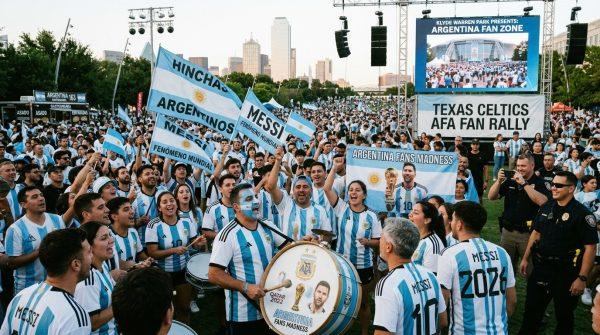
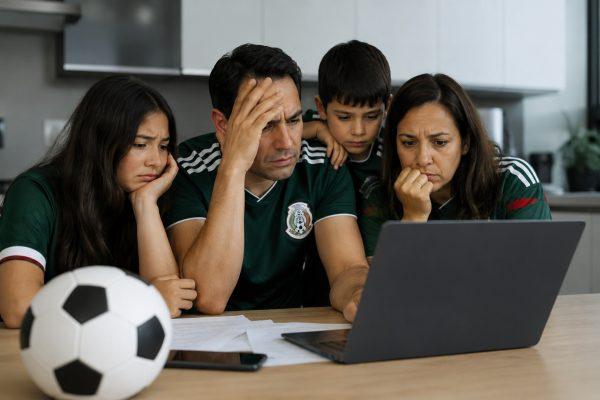
Argentina, the reigning champions, have navigated the group phase with the kind of controlled authority that makes them a favorite to reach the final in New York. Lionel Messi’s squad has shown tactical flexibility, blending possession with swift counterattacks. But they’re not alone. Brazil, after a commanding group-stage performance, looks sharp under pressure, while Mexico—playing on home soil—has energized a nation with its resilient displays. Mexico's path through the round of 16 will test their depth against a European giant, but the Estadio Azteca crowd could be the difference.
Yet the tournament has also seen emerging federations rise. Teams like Senegal and Morocco have proven that disciplined defensive structures and rapid transitions can unsettle even the most established sides. The round of 16 will feature several matchups where a so-called underdog has a genuine chance to rewrite the narrative. For Latin American fans, this means no opponent can be taken lightly—especially when a single lapse in concentration can end a World Cup dream.
Venue Logistics and Travel Realities
The geographic spread of matches adds another layer of complexity. SoFi Stadium in Los Angeles, Hard Rock Stadium in Miami, AT&T Stadium in Arlington, and the legendary Estadio Azteca in Mexico City will host key fixtures. Teams must manage drastic climate shifts—from the dry heat of Texas to the high altitude of the Mexican capital—within tight 72-hour windows. For Latin American squads accustomed to diverse conditions, this could be an advantage, but it also demands meticulous planning from medical and coaching staff.
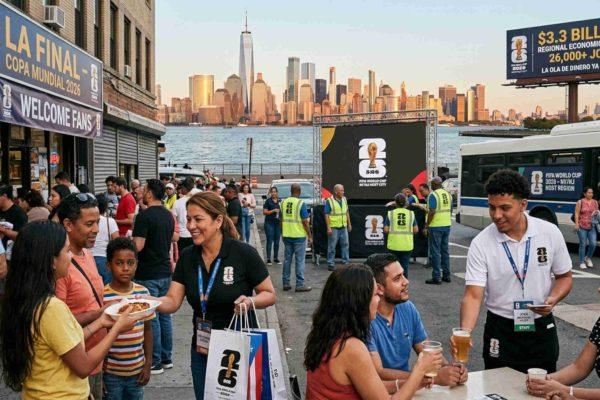
Fans, too, are on the move. Ticket demand has surged, with secondary market prices hitting historic highs. FIFA has deployed advanced security protocols across transit hubs, anticipating massive fan migrations that will transform host cities into vibrant cultural crossroads. For the Latino diaspora in the US, this is a rare chance to see their national teams compete on familiar soil, blending the energy of a World Cup with the warmth of home.
Roster Management and the Mental Game
As teams enter isolation camps, the focus shifts to recovery and tactical preparation. Coaches are using video analysis to pinpoint opponents’ weaknesses, while players work on muscle recovery and mental resilience. The margin for error in the knockout rounds is razor-thin; a missed penalty or a defensive lapse in stoppage time can define an entire generation’s legacy. For Latin American sides, the weight of history is palpable—but so is the pride of representing millions who live and breathe the game.
This round of 16 is more than a set of matches. It’s a celebration of football’s global reach, with Latin America at its heart. Whether it’s Argentina’s quest for back-to-back titles, Brazil’s flair, or Mexico’s home-field advantage, the stories unfolding on these pitches will resonate far beyond the final whistle. The bracket is set, and the stakes have never been higher.