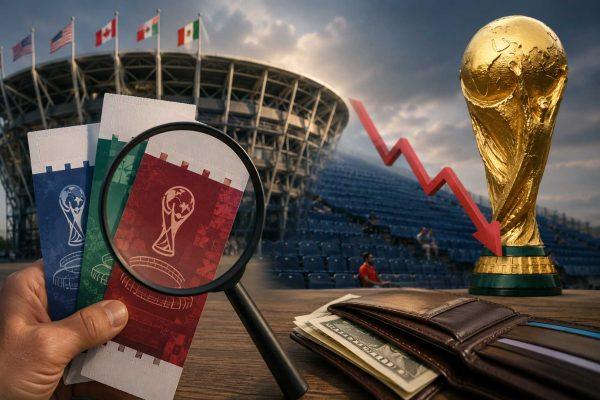
Just days before the 2026 World Cup kicks off across the United States, Mexico, and Canada, FIFA is grappling with an unexpected problem: nearly 180,000 tickets remain unsold. The federation's aggressive dynamic pricing algorithm, designed to maximize revenue, has instead created a surplus that threatens to leave stadiums with empty seats on international television.
How Dynamic Pricing Backfired
FIFA's algorithm automatically adjusted ticket prices based on demand, but the strategy backfired when corporate buyers balked at sky-high rates. For example, tickets for the World Cup Final briefly spiked near $33,000 before plummeting as buyers disappeared. The result? A market where average secondary market prices have fallen 20% over the last month, and the official resale platform still holds 176,000 listings for group-stage matches alone.
The United States Men's National Team's opening match against Paraguay at SoFi Stadium in Inglewood, California, illustrates the problem: over 4,400 seats remain unallocated, with the cheapest direct standard ticket still priced at $1,120. Despite FIFA's emergency discount measures, the average ticket on the primary site remains locked above $800.
Legal and Consumer Backlash
The pricing controversy has drawn scrutiny from state attorneys general in New York and New Jersey, who have launched formal investigations into what they call “exorbitant” ticket pricing. This legal pressure adds to FIFA's public relations headache, as the organization—legally registered as a nonprofit—projected a $3 billion ticketing and hospitality windfall for this tournament, tripling the revenue from Qatar 2022.
In response, some local initiatives have emerged to fill seats. For instance, New Jersey gave away 770 free World Cup tickets to families, healthcare workers, and small business supporters, a move that highlights the gap between FIFA's corporate pricing and community needs.
Where to Find the Cheapest Tickets Now
For fans willing to wait, bargains are emerging. The secondary market—including platforms like StubHub and SeatGeek—now offers group-stage tickets at significantly reduced prices, though buyers should note FIFA's mandatory 26% commission on resales. The official FIFA portal has also released emergency low-cost seating options, particularly for matches in less popular venues or early-round games.
Matches in Mexico and Canada, where local economies and fan bases differ, may offer better deals. For example, tickets for group-stage games at Estadio Azteca in Mexico City or BC Place in Vancouver are reportedly more affordable than those in U.S. cities like New York or Los Angeles. Fans should also monitor last-minute releases as FIFA scrambles to avoid the embarrassment of empty stadiums.
A Lesson in Algorithmic Greed
The ticket surplus is a stark reminder that algorithmic pricing can't replace the passion of football fans. FIFA's focus on maximizing revenue has alienated the working-class supporters who form the backbone of the sport's culture. As the tournament begins, the federation faces a choice: continue with high prices and risk empty seats, or embrace more accessible pricing that reflects the diverse communities hosting the games.
For Latino fans across the Americas, the World Cup is more than a sporting event—it's a cultural celebration. From the streets of Buenos Aires to the barrios of East Los Angeles, the tournament brings together families and communities. But if tickets remain out of reach, that connection weakens. The coming days will show whether FIFA can learn from its mistake before the first whistle blows.