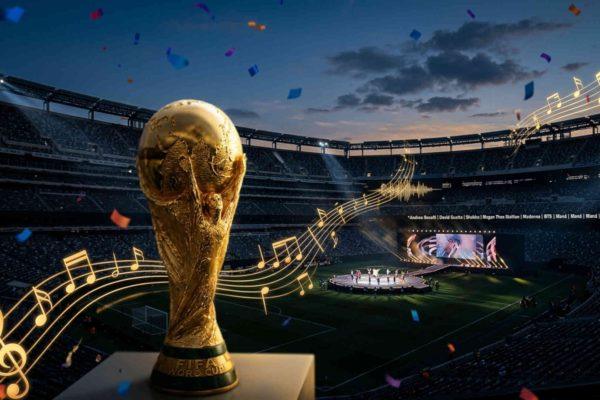
FIFA has unveiled DNA, the official anthem for the 2026 World Cup, and it's a track that refuses to be boxed in. The song brings together Italian tenor Andrea Bocelli, French DJ David Guetta, Houston rapper Megan Thee Stallion, and K-pop artist EJAE in a fusion of opera, electronic dance music, hip-hop, and pop. But for Latino audiences, the real story isn't just the genre-hopping—it's where this anthem will first be heard live: the Estadio Azteca in México City.
The choice of Azteca is no accident. Few stadiums carry the weight of soccer history like this one, where Pelé played his last World Cup match in 1970 and where Diego Maradona lifted the trophy in 1986. For Bocelli, performing at Azteca is deeply personal. The singer has often spoken about his lifelong love for soccer, and in a statement, he called the opportunity to sing DNA at the opening ceremony a source of pride that "words can hardly describe."
A Ceremony Built for the Americas
The opening ceremony on June 11, 2026, is shaping up to be a showcase of Latin music's global reach. Alongside Bocelli and Guetta, the lineup includes Shakira—who already has a separate World Cup anthem, Dai Dai, with Ed Sheeran—as well as Mexican rock legends Maná, the cumbia icons Los Ángeles Azules, ranchera star Alejandro Fernández, and pop singer Belinda. It's a mix that reflects the diversity of Latin America itself: from Guadalajara to Buenos Aires, from cumbia to rock en español.
This isn't just a concert; it's a statement. FIFA is betting that the 2026 tournament—hosted across México, the United States, and Canada—will be its most culturally ambitious yet. The inclusion of artists from México, Colombia, and Puerto Rico (Belinda was born in Spain but raised in México) signals an effort to center Latinidad in a way previous World Cups haven't. As one FIFA official put it, the goal is to create "a celebration of Latin American identity before the world."
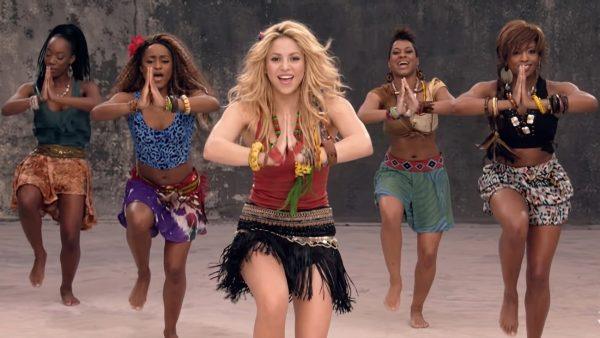
For fans in the diaspora, this matters. The 2026 World Cup will be the first to feature 48 teams and the first to be spread across three nations. But for many Latinos in the U.S., the tournament's heart will still beat in México, where fútbol is more than a sport—it's a language. Shakira's return to the World Cup stage only reinforces that connection; she's been the unofficial soundtrack of the tournament since 2010's Waka Waka.
From Azteca to MetLife: A Halftime Show First
While the opening ceremony will be rooted in Latin America, the final on July 19 at MetLife Stadium in East Rutherford, New Jersey, will break new ground. For the first time in World Cup history, there will be a halftime show modeled after the Super Bowl. FIFA has reportedly lined up Madonna, Shakira, and BTS as headliners—a lineup that spans generations and continents. The move is a clear nod to the U.S. market, where the Super Bowl halftime show is a cultural event unto itself.
But the choice of MetLife Stadium is also significant for the Latino community. New Jersey is home to one of the largest and most diverse Latino populations in the country, with strong ties to Puerto Rico, the Dominican Republic, Colombia, and México. Local health officials have already begun preparations for the influx of fans, ensuring that the region is ready for what promises to be a historic month.
The DNA anthem itself is already streaming, and early reactions have been mixed—some praise its ambition, others find the blend jarring. But that's exactly the point. FIFA isn't trying to please everyone; it's trying to capture the energy of a tournament that will be watched by billions. And if the opening ceremony at Azteca is any indication, the 2026 World Cup will be as much about music as it is about goals.
For now, fans can look forward to seeing how Bocelli's tenor holds up against Guetta's drops, and whether Megan Thee Stallion's verses will get the crowd in México City moving. One thing is certain: this World Cup will sound unlike any before it.