FIFA has officially reversed a controversial policy that temporarily barred Spanish-language questions during the 2026 World Cup, restoring the language to press conferences and media interactions across host stadiums. The decision, implemented last Sunday, comes after a wave of backlash from journalists, players, and fans across Latin America and the United States.
Why the Change Happened
The tipping point came during a press conference in New Jersey last Friday, when a moderator abruptly cut off Mexican journalist Rodrigo Ornelas as he attempted to ask a question in Spanish. The incident sparked immediate outrage on social media and drew sharp criticism from media organizations across the Spanish-speaking world. FIFA, facing mounting pressure, quickly reviewed its internal protocols and issued updated guidelines allowing Spanish in all official media settings.
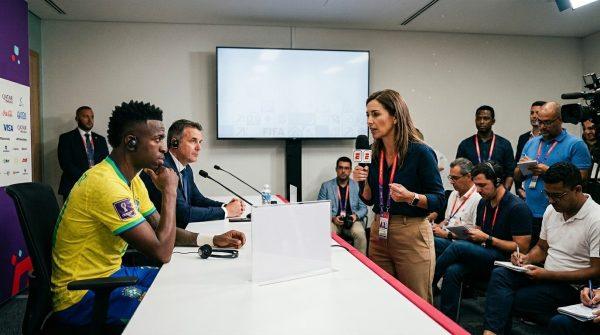
But Ornelas’s experience was not an isolated case. Earlier in the tournament, Brazilian star Vinícius Jr. and Dutch midfielder Frenkie de Jong both expressed willingness to answer questions in Spanish during media briefings, only to be blocked by delegates citing vague technical issues. These episodes exposed a systemic failure in FIFA’s communication protocols, undermining the organization’s commitment to linguistic diversity.
What the New Policy Includes
Under the revised rules, reporters and accredited media members can now conduct interviews in Spanish at all official press conferences. FIFA has also deployed qualified interpreters in press rooms across host cities, eliminating the communication barriers that plagued the tournament’s opening days. The updated guidelines are available on the FIFA Media Hub, and the organization has confirmed that Spanish will remain an official language for all remaining rounds of the championship.
This operational shift ensures that Spanish-language media inquiries proceed without obstacles, allowing players to express themselves freely and fans to receive accurate information in their native language. The move also strengthens the direct connection between athletes and the millions of Spanish-speaking viewers tuning in from Mexico, the United States, and across Latin America.
For a deeper look at how regional Spanish variations can shape communication, check out our guide on Navigating Latin American Spanish: Regional Words That Prevent Misunderstandings.
Impact on the Tournament
The restoration of Spanish questions has been widely welcomed by national team communication teams, who see it as a victory for transparency and inclusivity. Players can now engage directly with reporters without fear of being silenced, which enriches tactical debates and brings authentic reflections to global audiences.
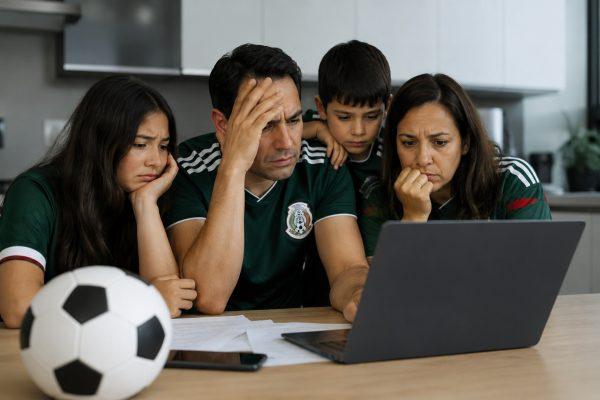
FIFA’s decision also addresses the demographic reality of the 2026 World Cup, co-hosted by Mexico, the United States, and Canada. With Mexico as a host nation and millions of Spanish speakers in the U.S., the initial restriction seemed tone-deaf. The policy reversal signals a renewed respect for the linguistic plurality that defines the tournament’s audience.
As the competition progresses, fans can expect smoother media interactions and more nuanced coverage. The official tournament app has also restored language options for reporters, optimizing the flow of technical data and logistical information. This technological upgrade, combined with the new media policy, should prevent the kind of disruptions seen on opening day.
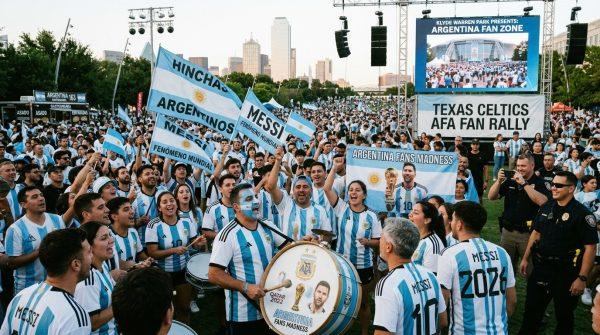
For more on how Argentina is navigating its World Cup defense amid injury concerns, read our update on Argentina's World Cup Defense Hits Injury Snag as Messi Returns.
A Broader Lesson
This episode underscores a fundamental truth: major global events must adapt to the communities they serve. Spanish is not a niche language in world football—it is spoken by hundreds of millions of fans, players, and journalists. By restoring Spanish questions, FIFA has taken a necessary step toward equitable coverage and cultural respect.
The incident also highlights the power of collective media pressure. When journalists across the Americas raised their voices, FIFA listened. The organization’s willingness to correct course—however belatedly—preserves the World Cup’s prestige and reinforces the importance of inclusive communication in sports.
As the tournament continues, all eyes will be on how FIFA handles other potential linguistic and cultural challenges. For now, Spanish-speaking reporters can do their jobs without barriers, and fans can enjoy a more authentic connection to the game they love.