When Hurricane Maria tore through Puerto Rico in September 2017, the island's power grid collapsed, leaving millions without electricity for months. In the chaotic aftermath, APR Energy, a global firm specializing in rapid-deployment power systems, shipped in massive turbine generators to the Palo Seco plant in Toa Baja, helping to stabilize a shattered system. Now, that same company belongs to Elon Musk.
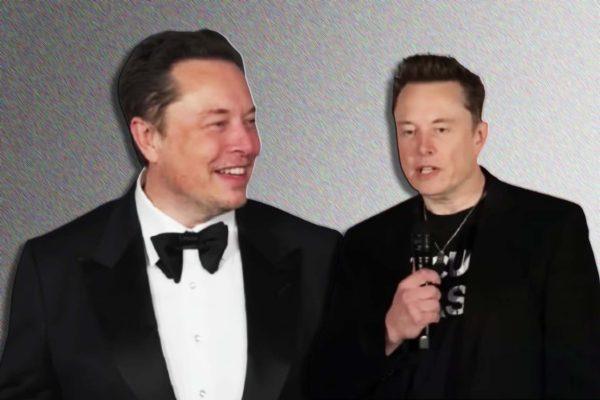
The tech billionaire's acquisition of APR Energy, reportedly valued at over $1 billion, is a strategic play to secure dedicated electricity for the data centers powering xAI and its Grok chatbot. Artificial intelligence demands an almost insatiable appetite for energy, and Musk is building the infrastructure to feed it.
A Boricua connection that won't change the island's lights
For Puerto Ricans, the APR Energy name is tied to one of the most traumatic chapters in recent memory. The company's generators were a temporary lifeline, not a long-term solution. Iván Báez, an executive at Genera PR, the private operator of the island's generation plants, was quick to clarify that this corporate move has no bearing on Puerto Rico's current power situation. The Palo Seco plant now runs on units owned by the people of Puerto Rico, and the island's fleet no longer relies on third-party temporary equipment.
So while the historical connection is real, the island's grid is moving forward on its own terms. The deal is about the future of AI, not the past of disaster relief.
Why Musk needs his own power plants
The global race in artificial intelligence has created a new kind of energy crisis. Training and running large language models like Grok requires continuous, high-capacity electricity that traditional utilities often can't supply quickly enough. By owning APR Energy's mobile gas turbines and rapid-deployment systems, Musk gains a dedicated energy pipeline, a way to bypass the bottlenecks that slow down other tech companies.
This isn't just about keeping the lights on. It's about having the power to outcompute rivals. As AI models grow more complex, the companies that control their energy supply will have a significant edge. Musk's move is a clear signal that he intends to be at the forefront of that race.
The acquisition also reflects a broader trend: tech giants are increasingly investing in their own power infrastructure, from solar farms to nuclear agreements. The grid, designed for a different era, is struggling to keep up with the demands of the digital age.
From disaster relief to the future of high tech
There's a certain irony in the journey of these industrial assets. They once helped a Caribbean island recover from one of the worst hurricanes in its history. Now they're set to power the next generation of artificial intelligence, a technology that could reshape the world in ways we're only beginning to understand.
For Puerto Rico, the story is a reminder of both the fragility and resilience of its infrastructure. The island has made strides in rebuilding its grid, though challenges remain. The APR Energy deal, while distant from the island's daily life, underscores how global energy dynamics are shifting.
As Musk's empire expands, the lines between tech, energy, and geopolitics blur. The same turbines that once hummed in Toa Baja may soon be humming in a data center somewhere in Texas or Nevada, powering conversations with an AI that knows your name.
For the Latino community, this story touches on themes of resilience and transformation. It's a reminder that the tools of disaster can become the tools of innovation, and that the connections between our histories and the future are often more intertwined than we expect.