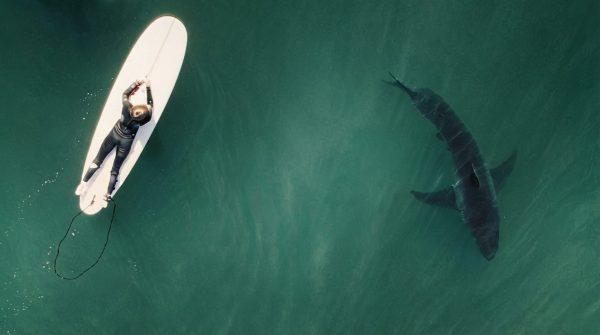
This summer, California's coastline is feeling the effects of El Niño in ways that go beyond warmer surf. The same climate pattern that brings balmy ocean temperatures is also drawing tropical visitors—some of them venomous—closer to shore. Marine biologists and lifeguards have documented a notable increase in encounters with species that rarely appear this far north.
According to recent surveys, the presence of white sharks and yellow-bellied sea snakes near popular beaches has jumped by 45% compared to typical years. The yellow-bellied sea snake, a reptile whose neurotoxic venom can be dangerous to humans, is especially alarming because it usually inhabits tropical waters near México and Central America. Its appearance off the Californian coast is a direct result of the warm currents that El Niño pushes northward from equatorial regions.
Why El Niño is reshaping the Pacific
El Niño is not just a weather event; it's a disruption of the entire ocean system. When trade winds weaken, warm water that normally stays near the equator drifts toward the Americas, raising sea surface temperatures along the West Coast. This shift alters the distribution of marine life, forcing species to follow their preferred temperature zones. For tropical animals like the yellow-bellied sea snake, California's waters suddenly feel like home.
Researchers at the University of California point to historical records showing a clear link between intense warming periods and the appearance of atypical predators in temperate seas. The Benioff Ocean Initiative, which monitors ocean health, notes that sustained warming is changing traditional migratory patterns. Fish that once stayed south are now moving north, and the predators that follow them are showing up where beachgoers least expect them.
What this means for beach safety
For the millions of tourists who visit California's beaches each year—many of them from Latino communities across the state—the new arrivals are a reminder that the ocean is a wild place. Lifeguards are stepping up patrols and posting warnings at popular spots like Santa Monica, Huntington Beach, and La Jolla. They're asking swimmers and surfers to stay informed about local conditions before entering the water.
"We're seeing species that we typically associate with the Gulf of California or the coast of Mazatlán," says Dr. Elena Ramírez, a marine biologist at Scripps Institution of Oceanography. "It's a fascinating but sobering reminder that climate change is redrawing the map of our oceans."
While the presence of these animals is concerning, experts stress that attacks are rare. Since 1950, there have been only 236 recorded shark attacks along the entire California coast, and most were non-fatal. The yellow-bellied sea snake, though venomous, is not aggressive and will only bite if provoked. Still, officials recommend keeping a safe distance and reporting any sightings to local authorities.
The California Department of Fish and Wildlife has issued guidelines for dealing with unusual marine life. They advise beachgoers to avoid touching any unfamiliar animals, to swim in groups, and to heed posted warnings. For those who want to track conditions, the National Oceanic and Atmospheric Administration provides real-time updates on water temperatures and marine life activity.
This El Niño is also a reminder of the broader changes affecting our coasts. As waters warm, we can expect more of these tropical visitors—and not just in California. From Baja California to the Pacific Northwest, the ocean is shifting. For Latinos who have deep ties to the sea, whether through fishing traditions or family trips to the beach, this is a moment to pay attention.
For now, the best advice is to enjoy the ocean with respect. Learn to recognize the species that are new to your local beach, and remember that the water is their home, not just ours. As Dr. Ramírez puts it, "We're the visitors here. The ocean is just showing us what it's always been capable of."